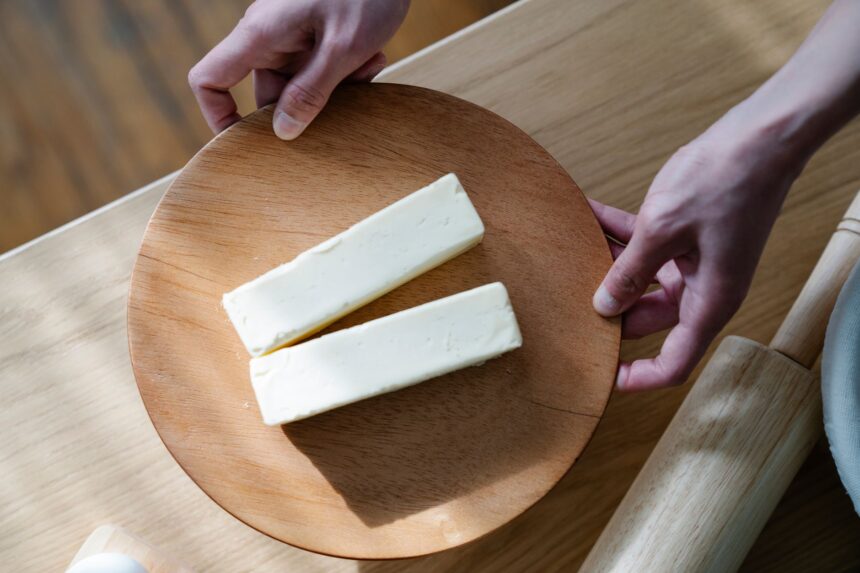
The choice between butter and margarine extends far beyond taste preference—it is fundamentally a question of chemistry. Butter, composed primarily of milk fat with natural saturated and unsaturated fatty acids, behaves differently in recipes and in the body than margarine, which is made from hydrogenated or partially hydrogenated plant oils engineered for stability and consistency. Understanding the molecular structures of these two spreads reveals why they produce distinctly different culinary outcomes and may carry different implications for dietary health.
Key takeaways
- Butter contains naturally occurring milk fats with distinct crystalline structures that enable browning, flakiness in pastries, and rich flavor development
- Margarine uses modified plant oils with engineered molecular structures designed for shelf stability and consistent texture across temperature ranges
- The fatty acid composition differs significantly: butter contains primarily saturated fats, while many margarines contain a blend of saturated and unsaturated fats depending on formulation
- Choice between the two should consider both culinary applications (baking performance, browning capacity) and individual dietary goals
The structural chemistry behind butter’s cooking performance
Butter’s effectiveness in cooking and baking stems from its crystalline fat structure. Milk fat—the primary component of butter—consists of triglycerides with specific melting points that allow it to form distinct layers in dough, creating the flakiness characteristic of croissants, pie crusts, and biscuits. According to food science research, the natural composition of butter creates fat crystals that trap air and moisture during mixing and heating, leading to the desired texture in laminated doughs and pastries.
The Maillard reaction—a chemical process between amino acids and reducing sugars that creates color and flavor compounds—occurs more readily with butter because its milk solids brown when heated, producing complex flavors and golden coloration. This browning capacity, absent in most margarines, explains why butter produces visibly different baked goods with deeper colors and more developed flavors. The presence of water content in butter (approximately 15-17% by weight) also contributes to steam production during baking, further affecting texture outcomes in specific applications like puff pastry and croissants.
Compositional Differences Between Butter and Margarine
Approximate fat and water content by weight, comparison of natural and engineered spreads

Source: Food composition databases, USDA | Georgian Medical Journal News
Margarine’s engineered stability and shelf life advantages
Margarine was developed in the 19th century as a shelf-stable, cost-effective alternative to butter, achieved through hydrogenation—a chemical process that hardens liquid plant oils by adding hydrogen atoms to unsaturated fatty acids. This process fundamentally alters the molecular structure, creating fats with higher melting points and greater resistance to oxidation, which extends shelf life considerably compared to butter, which can become rancid within weeks of exposure to light and air.
The engineered consistency of margarine allows it to maintain a uniform texture across varying ambient temperatures, a property particularly valuable in industrial food production and in warmer climates where butter may soften excessively. Most modern margarines replace traditional hydrogenation—which produces trans fats associated with cardiovascular risk—with interesterification, a gentler process that rearranges fatty acids without creating problematic trans isomers. This shift reflects evolving understanding of lipid chemistry and food safety, as documented in regulatory updates from food safety authorities over the past two decades.
Fatty acid profiles and dietary health implications
The fundamental difference in fatty acid composition between butter and margarine carries potential health implications for regular consumers. Butter is predominantly composed of saturated fatty acids (approximately 62% of its fat content), alongside monounsaturated and small amounts of polyunsaturated fats. Margarine formulations vary widely: traditional margarines contain higher proportions of polyunsaturated fats from their plant oil base, though specific ratios depend on the oils used (soybean, canola, sunflower, palm) and the degree of hydrogenation or interesterification applied.
The relationship between saturated fat intake and cardiovascular health remains an area of ongoing research in nutritional epidemiology. Earlier dietary guidelines emphasized minimizing saturated fat in favor of unsaturated fats, which supported margarine consumption; however, more recent analyses have suggested the relationship is more nuanced, with factors like overall diet quality, portion sizes, and individual metabolic variation playing significant roles. The World Health Organization’s guidance on healthy diet composition recommends limiting total fat intake to 20-35% of daily calories, with emphasis on unsaturated fats over saturated fats, without declaring either butter or margarine categorically harmful or beneficial.
Butter’s natural crystalline fat structure creates the flakiness and browning essential to pastries and baked goods, while margarine’s engineered consistency provides shelf stability and uniform performance across temperature ranges—each optimized for different culinary and commercial purposes.
— Food science research community consensus on lipid structure and baking chemistry
Choosing the right spread for cooking, baking, and health goals
The choice between butter and margarine should depend on the specific application and individual dietary priorities. For baking applications requiring lamination (croissants, Danish pastries, puff pastry), butter’s natural crystal structure produces superior results that margarine, despite improvements in formulation, cannot fully replicate. For spreading on bread, both offer acceptable taste and texture, with margarine offering extended shelf life and more stable consistency in warm conditions.
From a dietary perspective, neither butter nor modern margarine—particularly those made without trans fats—should be categorized as inherently unhealthy in moderation. The broader dietary pattern matters more than any single fat source. Individuals with specific health conditions (cardiovascular disease, elevated cholesterol) may benefit from consulting a registered dietitian to determine appropriate fat intake levels and sources. For those without specific dietary restrictions, either option can fit within a balanced diet when used in appropriate portions, typically 1-2 teaspoons per serving.
The chemistry underlying the butter-versus-margarine debate demonstrates how molecular structure—not just nutritional composition—determines a food’s culinary behavior and biological impact. Understanding these differences empowers consumers and cooks to make informed choices aligned with both their recipes and their health objectives. As food science continues to evolve, formulations of both butter and margarine will likely continue to improve, offering consumers options suited to diverse culinary traditions and dietary philosophies.
What this means
Frequently asked questions
Is butter healthier than margarine?
Neither is inherently healthier; the distinction depends on formulation and usage context. Butter contains primarily saturated fats, while modern margarines typically contain a blend of saturated and unsaturated fats. The broader dietary pattern—total fat intake, portion sizes, and overall nutrient density—matters more than choosing one over the other. Individuals with specific health conditions should consult a healthcare provider or registered dietitian for personalized guidance.
Why does butter brown and margarine doesn’t?
Butter browns during cooking because it contains milk solids that undergo the Maillard reaction—a chemical process between amino acids and sugars that creates brown color and complex flavors. Margarine lacks these milk solids, so it does not brown in the same way, producing lighter colors and different flavor profiles in baked goods.
Which is better for baking?
Butter is generally superior for baking applications requiring texture control, particularly laminated doughs (croissants, puff pastry) and pie crusts, because its natural crystal structure creates the flakiness and browning consumers expect. Margarine works adequately for cakes, cookies, and other applications where precise crystal formation is less critical. The choice ultimately depends on the specific recipe and desired outcome.
As consumers increasingly seek transparency in food composition and production methods, both butter and margarine producers have focused on improving formulations and communicating their nutritional profiles more clearly. This trend reflects broader public interest in understanding how food chemistry affects both taste and health—a conversation that extends well beyond the butter-margarine debate to encompass all processed foods. For those interested in exploring the intersection of food science and nutrition, resources from food chemistry journals and regulatory agencies like the FDA’s food additives guidance offer evidence-based information to inform dietary choices.
Source: Butter and margarine look similar but their chemistry changes everything
Was this article helpful?
Disclaimer. This article is health journalism intended for general information and education. It is not medical advice and is not a substitute for professional diagnosis or treatment. Always consult a qualified healthcare provider about your individual circumstances. Full disclaimer →
Related Coverage




Editorial standards. This article was produced under the GMJ News editorial process, with oversight by the GMJ Editorial Board. Our editorial process. Spotted an error? Contact the editorial team.