By using this site, you agree to the Privacy Policy and Terms of Use.
Accept
GMJ NewsGMJ NewsGMJ News
  • Latest News
    • GMJ Briefs
  • The Wire
  • Health Topics
  • Podcast & Media
    • GMJ Audio
    • GMJ Videos
    • Podcast & Media
    • Podcast Episodes
  • GMJ Articles
    • Vol. 1 Issue 3 (2026)
    • Public Health Dictionary — Supplement Edition
    • IAP Legacy Series
    • Read Full Journal (gmj.ge) →
    • Pre-Launch Articles (2025)
    • Vol. 1 Issue 1 (2026)
    • Vol. 1 Issue 2 (2026)
  • Perspectives
    • Editorial
    • Explainers
    • Letters
    • Voices
  • Policy & Systems
    • Global Health
    • Health Policy
    • Migration & Health
    • Quality & Safety
    • Work & Health
  • Dictionary
    • Our Story: 20 Years in the Making
    • Browse A–Z
    • About the Project
    • Contribute a Term
  • Practice
    • Case Discussions
    • Clinical Updates
    • Pharmacy & Prescribing
  • Research Digest
    • Data & Numbers
    • Georgian Research
    • New Studies
  • Read the Journal →
Notification Show More
Font ResizerAa
GMJ NewsGMJ News
Font ResizerAa
  • Latest News
  • The Wire
  • Health Topics
  • Podcast & Media
  • GMJ Articles
  • Perspectives
  • Policy & Systems
  • Dictionary
  • Practice
  • Research Digest
  • Read the Journal →
  • Latest News
    • GMJ Briefs
  • The Wire
  • Health Topics
  • Podcast & Media
    • GMJ Audio
    • GMJ Videos
    • Podcast & Media
    • Podcast Episodes
  • GMJ Articles
    • Vol. 1 Issue 3 (2026)
    • Public Health Dictionary — Supplement Edition
    • IAP Legacy Series
    • Read Full Journal (gmj.ge) →
    • Pre-Launch Articles (2025)
    • Vol. 1 Issue 1 (2026)
    • Vol. 1 Issue 2 (2026)
  • Perspectives
    • Editorial
    • Explainers
    • Letters
    • Voices
  • Policy & Systems
    • Global Health
    • Health Policy
    • Migration & Health
    • Quality & Safety
    • Work & Health
  • Dictionary
    • Our Story: 20 Years in the Making
    • Browse A–Z
    • About the Project
    • Contribute a Term
  • Practice
    • Case Discussions
    • Clinical Updates
    • Pharmacy & Prescribing
  • Research Digest
    • Data & Numbers
    • Georgian Research
    • New Studies
  • Read the Journal →
Follow US
GMJ News > Perspectives > Explainers > Soy and brain health: new evidence on cognitive decline from Asian cohorts
ExplainersNew StudiesPerspectivesResearch Digest

Soy and brain health: new evidence on cognitive decline from Asian cohorts

GMJ
Last updated: 13/09/2026 21:30
By
GMJ Perspectives Desk
Share
10 Min Read
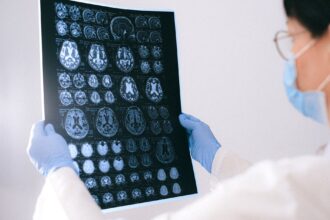
Bar chart comparing protective effects of natto versus total soy intake on neurocognitive healthIllustrative image · Photo by SHVETS production on Pexels (Pexels License)
A 2025 meta-analysis of 68,691 Asian adults found that higher soy intake was associated with 8% lower odds of major neurocognitive disorders, with fermented natto showing a 14% reduction per gram of daily intake. Fermentation-derived compounds including vitamin K2 and bioactive peptides may protect brain health through vascular and anti-inflammatory mechanisms. — Photo by SHVETS production on Pexels (Pexels License)
SHARE
🎧 Listen to this article8:40 min · 1,265 words · GMJ Audio
6 min read|1,265 words
✓ Reviewed by GMJ News Editorial Team

🟠 Moderate Evidence

Contents
    • Key takeaways
      • Study at a Glance
      • Soy intake and neurocognitive protection across fermented and non-fermented forms
  • Natto’s fermentation-derived compounds may explain stronger protection
  • Vascular health emerges as a likely mechanism
  • Observational design and dietary self-report limit causal inference
    • What this means
  • Frequently asked questions
    • Does this mean I should eat more soy to prevent dementia?
    • Why does natto show stronger effects than other soy foods?
    • Can these findings apply to Western populations?

Cognitive decline in older adults involves far more than chronological age: vascular health, systemic inflammation, metabolic stress, and dietary patterns all contribute to whether the brain remains resilient. A 2025 systematic review and dose-response meta-analysis published in a peer-reviewed journal examined whether soy consumption—particularly fermented varieties—might protect against neurocognitive disorders by acting on multiple pathways simultaneously.

Key takeaways

  • Higher total soy intake was associated with an 8% lower odds of developing major neurocognitive disorders, based on data from 68,691 participants across 6 prospective Asian cohorts
  • Natto (fermented soy) showed the strongest protective signal, with a 14% reduction in neurocognitive disorder odds for each additional gram of daily intake
  • Protective effects were more pronounced in adults without prior stroke history, suggesting a vascular or microcirculatory mechanism

Study at a Glance

Source Peer-reviewed systematic review and meta-analysis (PMID: 40917087)
Study type Systematic review and dose-response meta-analysis of prospective cohorts
Sample size N = 68,691 participants
Population Community-dwelling adults from Japan and Singapore; follow-up 5–20 years
Country Japan and Singapore
8%
lower odds of major neurocognitive disorders associated with higher total soy intake, according to a 2025 meta-analysis of 6 prospective Asian cohorts (PMID: 40917087)

Soy intake and neurocognitive protection across fermented and non-fermented forms

Odds reduction for neurocognitive disorders by soy type, from 2025 meta-analysis (PMID: 40917087)

Natto per gram
−14%
Total soy intake
−8%
Non-stroke subgroup
More pronounced

Source: Systematic review and meta-analysis, PMID 40917087 (2025) | Georgian Medical Journal News

Submit Your Paper
GMJ_Submit_Banner

Natto’s fermentation-derived compounds may explain stronger protection

The meta-analysis found that natto—a traditional Japanese fermented soy product—showed the strongest and most consistent association with reduced neurocognitive risk, with each additional gram of daily intake corresponding to a 14% reduction in odds. This effect size exceeds that of non-fermented soy forms, suggesting that fermentation itself may unlock or generate bioactive compounds not present in unfermented soy.

🎙️ Related Podcast Episodes
🎬 NAD⁺ Injections and “NAD Boosters”
🎬 GMJ Video Series | Rare Case: Lung Cancer & Tuberculosis Coexistence
🎧 #54 | GMJ Podcast | The Blueprint of a Medical Journal: Designing an Open-Access Scientific Platform · 19m
🎬 The Blueprint of a Medical Journal | How GMJ Was Built
🎧 #53 | GMJ Podcast | Palliative Care in Georgia — Health System Gaps, Access Barriers, and Policy Implications · 16m

Natto contains several fermentation-derived components implicated in brain and vascular health. These include vitamin K2 (menaquinone-7 or MK-7), bioactive peptides generated during bacterial fermentation, and metabolites from probiotic organisms. Each of these agents acts on distinct but interconnected pathways: vitamin K2 supports endothelial function and vascular calcification prevention; peptides modulate neuroinflammation and blood-brain barrier integrity; and probiotic metabolites influence systemic and local inflammatory tone. Together, they address multiple mechanisms relevant to age-related cognitive decline—a discovery supported by research in vascular and neuroinflammatory biology.

Vascular health emerges as a likely mechanism

A particularly revealing finding was that protective effects were more pronounced in adults without prior stroke history. This pattern suggests that soy’s cognitive benefits may operate primarily through vascular and microcirculatory mechanisms rather than through direct neuroprotection alone. Individuals with established cerebrovascular disease may have crossed a threshold where dietary interventions offer less protection.

This observation aligns with a growing body of evidence linking vascular dysfunction—including endothelial impairment, arterial stiffness, and microinfarction—to cognitive decline in aging. Vascular contributions to cognitive impairment and dementia (VCID) have become a major focus of cognitive neuroscience, and dietary compounds that improve vascular health—such as those in fermented soy—may offer preventive value. The fact that soy’s effect was strongest in the stroke-free group suggests a preventive rather than therapeutic window.

Observational design and dietary self-report limit causal inference

The strengths of this analysis—large sample sizes (68,691 participants), long follow-up periods (5–20 years), and prospective design—are offset by important limitations. Dietary intake was measured via food-frequency questionnaires or dietary recalls, methods prone to recall bias and measurement error. The cohorts are also region-specific, reflecting habitual soy consumption patterns in Japan and Singapore (40–181 g/day), which far exceed typical Western intake. Generalizing these findings to Western populations consuming soy primarily as supplements or occasional foods may be premature without separate evidence.

Furthermore, observational cohorts cannot establish causality. Participants who consume more soy may differ in unmeasured ways—education, physical activity, overall diet quality, or healthcare-seeking behavior—that independently protect cognition. Residual confounding in dietary epidemiology remains a persistent challenge.

Higher soy intake, particularly in fermented form (natto), was consistently linked with lower long-term odds of major neurocognitive disorders in Asian populations, with natto showing a 14% reduction per additional gram of daily intake.

— Systematic review and dose-response meta-analysis (PMID: 40917087), 2025

What this means

For patients: While these findings are encouraging, they suggest an association rather than proof of prevention. Older adults concerned about cognitive decline should focus first on established interventions: cardiovascular risk factor management, physical activity, cognitive engagement, and sleep quality. If interested in dietary approaches, incorporating soy foods (especially fermented varieties like natto or miso) as part of a broader pattern of plant-forward eating may be reasonable. Soy should not be viewed as a standalone preventive agent.
For clinicians: In counselling patients on cognitive health, dietary patterns deserve attention alongside blood pressure, lipid, and glucose control. For patients of Asian descent with family history of cognitive decline and high baseline soy intake, these data support maintaining or modestly increasing consumption. However, this meta-analysis should not drive isolated dietary prescription without attention to overall vascular and metabolic health. Consider asking patients about habitual soy intake, particularly fermented forms, as part of cardiovascular and cognitive risk assessment.
For policymakers: These findings underscore the value of prospective cohort research in diverse populations and the need for mechanistic studies to test whether soy compounds can modify cognition-relevant pathways. Public health messaging on brain health should emphasize vascular health, metabolic control, and plant-forward diets rather than promoting individual foods. Future work should include randomized trials of soy isoflavone or natto extract supplementation in Western populations to test whether observed associations are causal. See Health Policy for related initiatives on dementia prevention and dietary guidelines.

Frequently asked questions

Does this mean I should eat more soy to prevent dementia?

The evidence suggests an association between higher soy intake and lower neurocognitive risk in Asian populations with habitual consumption of 40–181 grams per day. However, this is observational data and cannot prove causation. Soy should be considered one component of a dementia-prevention strategy that prioritizes vascular health, cognitive activity, sleep, and overall diet quality. If you enjoy soy foods, the data support including them; if you do not, there is no evidence that supplementation alone will prevent cognitive decline.

Why does natto show stronger effects than other soy foods?

Natto’s fermentation process generates vitamin K2 (MK-7), bioactive peptides, and probiotic-derived metabolites that are either absent or present in lower amounts in unfermented soy. Each of these compounds may act on pathways relevant to vascular and neuroinflammatory health. Fermentation also increases bioavailability of isoflavones. However, the meta-analysis cannot distinguish whether natto’s superiority reflects its unique chemistry, cultural practices around its consumption, or unmeasured confounding in the Asian cohorts studied.

Can these findings apply to Western populations?

Not directly, without additional evidence. The cohorts come from Japan and Singapore, where soy consumption is part of traditional diets consumed since childhood. Western soy intake is lower and often from processed sources (isolates, supplements) rather than whole foods. A separate body of research is needed to test whether isolated soy isoflavones or fermented soy products show similar cognitive benefits in Western populations. Until then, these data are most applicable to populations with habitual soy intake similar to that in the studied cohorts.

Future research should prioritize randomized controlled trials testing fermented soy extracts or natto supplementation in both Asian and Western populations, alongside mechanistic studies of how vitamin K2 and soy peptides influence vascular and neuroinflammatory biology relevant to aging. The convergence of vascular health, dietary polyphenols, and cognitive resilience is increasingly central to understanding how to extend healthy cognitive aging. This meta-analysis contributes a valuable regional perspective that complements Western dietary and neuroscience literature.

Source: Systematic review and dose-response meta-analysis (PMID: 40917087), 2025. Read more in New Studies and explore cognitive health topics in Explainers.

Was this article helpful?

Disclaimer. This article is health journalism intended for general information and education. It is not medical advice and is not a substitute for professional diagnosis or treatment. Always consult a qualified healthcare provider about your individual circumstances. Full disclaimer →

Related Coverage
Why 90% of Adults Fall Short on Choline—and Why Your Nervous System CaresOct 4, 2026
How Sex Hormones Shape Immune Response: Why Males and Females Fight Infection DifferentlyOct 4, 2026
Trace Lithium in Drinking Water Linked to Lower Suicide and Dementia Rates Across Decades of ResearchOct 4, 2026
Moving in Multiple Ways, Not Just More, May Add Years to LifeOct 4, 2026
Explore more on this topic:🧭 Stroke hub🧭 Dementia hub🧭 Nutrition hub
🔥 Most read this week
1Animal Protein’s Muscle-Building Edge Disappears When Measured Over Days, Not Hours
2Animal Protein Produces 47% Larger Muscle Protein Synthesis Spike Than Plant Sources, New Research Shows
3Resistance Training Linked to 27% Reduction in Early Death Risk, Large-Scale Review Finds
4High-Intensity Interval Training Alone Preserves Muscle While Reducing Fat in Older Adults
Related reference
  • Vitamin K2 (MK-7) · Ingredient
  • Vitamin K2 · Drug
  • Vitamin K · Ingredient
  • Stroke · Condition

Find certified Georgian healthcare providers at sheniekimi.ge/jandacvis-ruka/

PG
Editorial oversight
Prof. Giorgi Pkhakadze, MD, MPH, PhD
Editor-in-Chief, GMJ News
Full profile →  ·  ORCID 0000-0001-7609-4515
Medical disclaimer. This article is health journalism intended for general information. It is not medical advice and is not a substitute for consultation with a qualified healthcare professional. Always seek your physician's advice regarding any medical condition.
Editorial standards. This article was produced under the GMJ News editorial process, with oversight by the GMJ Editorial Board. Our editorial process. Spotted an error? Contact the editorial team.

📬 GMJ Health Digest
Evidence-based medical news, once a week. Free, no spam, unsubscribe anytime.
TAGGED:aging braincognitive declinedementia preventiondietary epidemiologymeta-analysisnattosoy foodsvascular health
Share This Article
Facebook Whatsapp Whatsapp LinkedIn Telegram Bluesky Copy Link Print
GMJ
ByGMJ Perspectives Desk
Follow:
GMJ Perspectives Desk is part of GMJ News, the newsroom of the Georgian Medical Journal (gmj.ge), published by the Public Health Institute of Georgia. Every article is editorially reviewed before publication.
Leave a Comment Leave a Comment

Leave a Reply Cancel reply

Your email address will not be published. Required fields are marked *

Submit Your Paper →

Georgia's peer-reviewed open-access medical journal. No APC until January 2027.
Submit Manuscript →
Why 90% of Adults Fall Short on Choline—and Why Your Nervous System Cares

Approximately 90% of adults fall short on choline, an essential nutrient for…

How Sex Hormones Shape Immune Response: Why Males and Females Fight Infection Differently

Sex hormones directly regulate immune cell development and function, creating measurable differences…

The CAR T-Cell Safety Reckoning: Why Autoimmune Trials Demand Preemptive, Not Reactive, Oversight

Three CAR T-cell deaths in autoimmune trials expose a critical gap in…

Submit Your Paper to GMJ

No APC until January 2027.
Submit Manuscript →

You Might Also Like

Medical illustration showing cardiac patch therapy on damaged heart tissue
New StudiesResearch Digest

Heart patch therapy shows promise for repairing damaged cardiac tissue

By
GMJ Research Desk
28/05/2026
Official food safety registration and inspection
Explainers

What Government Food-Safety Registration Actually Means for Supplements

By
GMJ Perspectives Desk
20/08/2026
Brain scan images showing cognitive changes during perimenopause transitionIllustrative image · Photo by Anna Shvets on Pexels (Pexels License)
Clinical UpdatesPractice

Clinical Evidence Links Perimenopause Brain Fog to Measurable Cognitive Decline

By
GMJ Practice Desk
19/06/2026
Jeremy Farrar C0058569 Wellcome Images.jpgIllustrative image · Jeremy Farrar C0058569 Wellcome Images.jpg by Wellcome Trust, Wellcome Images / CC BY 4.0 via Wikimedia Commons (CC BY 4.0)
EditorialPerspectives

Sir Jeremy Farrar’s Retirement from WHO Is a Warning — Not About WHO, but About How the World Funds Global Health

By
GMJ Perspectives Desk
20/08/2026
Facebook Twitter Youtube Instagram
Company
  • Privacy Policy
  • Accreditation Canada in Georgia
  • GMJ Journal
  • Submit Manuscript
  • Editorial Team
  • Register at GMJ

Subscribe to GMJ News — Click here

Join Community
© 2026 Georgian Medical Journal (GMJ). Published by the Public Health Institute of Georgia (PHIG). All rights reserved.
Welcome Back!

Sign in to your account

Username or Email Address
Password

Lost your password?