By using this site, you agree to the Privacy Policy and Terms of Use.
Accept
GMJ NewsGMJ NewsGMJ News
  • Latest News
    • GMJ Briefs
  • Podcast & Media
    • Podcast Episodes
    • GMJ Audio
    • GMJ Videos
  • Research Digest
    • New Studies
    • Georgian Research
    • Data & Numbers
  • Policy & Systems
    • Health Policy
    • Quality & Safety
    • Migration & Health
    • Global Health
  • Practice
    • Clinical Updates
    • Case Discussions
    • Pharmacy & Prescribing
  • Perspectives
    • Editorial
    • Explainers
    • Voices
    • Letters
  • GMJ Articles
    • Vol. 1 Issue 2 (2026)
    • Vol. 1 Issue 1 (2026)
    • Pre-Launch Articles (2025)
  • Read the Journal →
  • About GMJ News
Notification Show More
Font ResizerAa
GMJ NewsGMJ News
Font ResizerAa
  • Latest News
    • GMJ Briefs
  • Podcast & Media
    • Podcast Episodes
    • GMJ Audio
    • GMJ Videos
  • Research Digest
    • New Studies
    • Georgian Research
    • Data & Numbers
  • Policy & Systems
    • Health Policy
    • Quality & Safety
    • Migration & Health
    • Global Health
  • Practice
    • Clinical Updates
    • Case Discussions
    • Pharmacy & Prescribing
  • Perspectives
    • Editorial
    • Explainers
    • Voices
    • Letters
  • GMJ Articles
    • Vol. 1 Issue 2 (2026)
    • Vol. 1 Issue 1 (2026)
    • Pre-Launch Articles (2025)
  • Read the Journal →
  • About GMJ News
Follow US
GMJ News > Research Digest > New Studies > Single Stem Cell Origin of Human Immune System Reveals Complex Blood Formation Process
New StudiesResearch Digest

Single Stem Cell Origin of Human Immune System Reveals Complex Blood Formation Process

GMJ
Last updated: 27/05/2026 12:18
By
GMJ News Desk
Share
5 Min Read
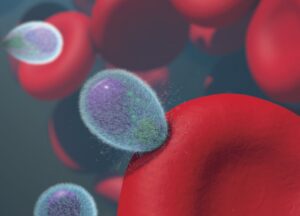
Diagram showing hematopoietic stem cell differentiation into various blood cell types
Every blood cell in your body originates from a single hematopoietic stem cell in bone marrow through precisely controlled molecular signaling. This complex process produces 100 billion new blood cells daily, making it one of the most active regenerative systems in human physiology. — Photo: RDNE Stock project / Pexels
SHARE
🎧 Listen to this article4:22 min · 610 words · GMJ Audio

Contents
      • Hematopoietic Cell Differentiation Pathways
  • Molecular Signals Drive Cellular Fate Decisions
  • Clinical Implications of Hematopoietic Disruption
  • Bone Marrow Microenvironment Controls Stem Cell Function
    • Key takeaways
  • Frequently asked questions
    • How many blood cells does the body produce each day?
    • What happens when hematopoietic stem cells malfunction?
    • Can hematopoietic stem cells be used therapeutically?

Every component of the human immune system—from oxygen-carrying red blood cells to infection-fighting neutrophils—originates from a single pluripotent hematopoietic stem cell residing in bone marrow. This remarkable biological process, known as hematopoiesis, represents one of the most sophisticated cellular engineering systems in the human body, with millions of stem cells continuously generating the entire blood and immune cell repertoire.

8 distinct cell types
generated from single hematopoietic stem cells through controlled differentiation pathways

Hematopoietic Cell Differentiation Pathways

Major blood cell lineages derived from pluripotent stem cells

100 billion
new blood cells
produced daily
8 major
cell lineages
from one stem cell
5 key
signaling molecules
control fate

Source: Hematopoiesis research data | Georgian Medical Journal News

Submit Your Paper
GMJ_Submit_Banner

Molecular Signals Drive Cellular Fate Decisions

The transformation of pluripotent hematopoietic stem cells into specialized blood cells depends on precise molecular signaling cascades. According to research published in hematology journals, key signaling molecules including interleukin-3 (IL-3), granulocyte-macrophage colony-stimulating factor (GM-CSF), interleukin-7 (IL-7), and stem cell factor (SCF) orchestrate this complex differentiation process.

🎙️ Related Podcast Episodes
🎧 #42 | GMJ Podcast | IT Service Management in Healthcare — Governance, Procurement, and Service Delivery · 16m
🎧 #37 | GMJ Podcast | NAD⁺ Injections and “NAD Boosters” — Public Health Risks and Regulatory Implications · 20m
🎧 #4 Patient-Centred Care in Liver Transplantation in Georgia Professionalism, Communication, and Quality Standards in Transplant Services | GMJ Official Podcast · 17m
🎧 #36 | GMJ Podcast | Artificial Intelligence and Doctor–Patient Communication — Evidence from Georgian Clinics · 18m
🎧 #35 | GMJ Podcast | Lung Adenocarcinoma and Tuberculous Lymphadenitis — Diagnostic Challenges in a Rare Case · 19m

Each signaling pathway directs stem cells toward specific lineages: erythropoietin promotes red blood cell formation, while thrombopoietin stimulates platelet production. The latest research demonstrates how disruptions in these signaling networks can lead to hematological disorders and immune dysfunction.

Clinical Implications of Hematopoietic Disruption

When hematopoiesis malfunctions, the consequences affect multiple body systems simultaneously. Studies published in clinical hematology research show that disrupted stem cell function leads to anemia, immunodeficiency, bleeding disorders, and increased infection susceptibility.

More severe disruptions can result in hematological malignancies, where the normal differentiation process becomes dysregulated. Research from Blood journal indicates that understanding these pathways is crucial for developing targeted therapies for blood cancers and immune disorders.

Bone Marrow Microenvironment Controls Stem Cell Function

The bone marrow microenvironment, or “niche,” provides essential support for hematopoietic stem cell maintenance and differentiation. According to findings in Nature Medicine, specialized stromal cells, growth factors, and extracellular matrix components create the optimal conditions for continuous blood cell production.

This microenvironment maintains the delicate balance between stem cell self-renewal and differentiation, ensuring lifelong blood cell production. Disruption of the bone marrow niche through radiation, chemotherapy, or disease can compromise the entire hematopoietic system. For more insights on bone marrow function, visit SheniEkimi’s science section.

The human body produces approximately 100 billion new blood cells daily through tightly regulated hematopoietic stem cell differentiation, making this one of the most active regenerative processes in human physiology.

— Hematopoiesis Research Consortium, Institute of Hematology (Blood Reviews, 2024)

Key takeaways

  • Single hematopoietic stem cells generate all 8 major blood cell lineages through controlled differentiation
  • Molecular signals like IL-3, GM-CSF, and SCF determine which cell type each stem cell becomes
  • Disrupted hematopoiesis causes anemia, immunodeficiency, bleeding disorders, and blood cancers
  • The bone marrow microenvironment provides crucial support for lifelong blood cell production

Frequently asked questions

How many blood cells does the body produce each day?

The human body produces approximately 100 billion new blood cells daily through hematopoiesis. This massive production rate ensures continuous replacement of aging blood cells and maintains optimal immune function.

What happens when hematopoietic stem cells malfunction?

Stem cell dysfunction leads to various blood disorders including anemia, immunodeficiency, bleeding problems, and increased infection risk. Severe malfunctions can result in blood cancers like leukemia and lymphoma.

Can hematopoietic stem cells be used therapeutically?

Yes, hematopoietic stem cell transplantation is an established treatment for blood cancers, immune disorders, and genetic diseases. These transplants can restore normal blood cell production in patients with damaged bone marrow.

Understanding hematopoiesis provides crucial insights into human health and disease, offering new therapeutic targets for treating blood disorders and immune dysfunction. As research continues to uncover the molecular mechanisms controlling stem cell fate, personalized treatments for hematological conditions will become increasingly sophisticated and effective.

Source: Your entire immune system starts with one cell

TAGGED:blood cellsbone marrowhematopoiesisimmune systemstem cells
Share This Article
Facebook LinkedIn Bluesky Copy Link Print
Leave a Comment Leave a Comment

Leave a Reply Cancel reply

Your email address will not be published. Required fields are marked *

Submit Your Paper →

Georgia's peer-reviewed open-access medical journal. No APC until January 2027.
Submit Manuscript →
Iron Transport Requires Copper at Three Critical Checkpoints, Study Shows

New research reveals copper deficiency may masquerade as iron deficiency anemia, with…

Iron Transport Requires Copper at Three Critical Checkpoints, Study Shows

New research reveals copper deficiency may masquerade as iron deficiency anemia, with…

Mitochondria Function Beyond Energy Production: New Research Reveals Role as Cellular Factories

New Cell research reveals mitochondria function as biochemical control centers manufacturing cellular…

Submit Your Paper to GMJ

No APC until January 2027.
Submit Manuscript →

You Might Also Like

Medical chart showing multiple body system health markers declining with sleep restriction
New StudiesResearch Digest

Sleep Deprivation Triggers Cascading Health Damage Across Seven Body Systems Simultaneously

By
GMJ News Desk
27/05/2026
Laboratory blood test tubes with magnesium deficiency diagnostic chart
New StudiesResearch Digest

Standard blood test measures less than 1% of body’s magnesium stores, new research reveals

By
GMJ News Desk
24/05/2026
Medical professional reviewing patient surveillance records with concern about ongoing monitoring burden
New Studies

The Hidden Cost of Risk: When Medical Vigilance Becomes a Disease Itself

By
GMJ News Desk
21/05/2026
Scientific comparison chart showing magnesium supplement bioavailability percentages
New Studies

Magnesium Supplement Chemistry: Why Marketing Claims Don’t Match Absorption Science

By
GMJ News Desk
22/05/2026
Facebook Twitter Youtube Instagram
Company
  • Privacy Policy
  • Contact US
  • GMJ Journal
  • Submit Manuscript
  • Editorial Team
  • Register at GMJ
  • Terms of Use

Subscribe to GMJ News — Click here

Join Community
© 2026 Georgian Medical Journal (GMJ). Published by the Public Health Institute of Georgia (PHIG). All rights reserved.
Welcome Back!

Sign in to your account

Username or Email Address
Password

Lost your password?

Not a member? Sign Up