


Lyme Disease
GMJ News knowledge hub · last reviewed September 2026 · Georgian Medical Journal
SummaryStatisticsGlossaryGMJ newsFAQDocumentsOrganizationsResearch
Lyme disease — caused by Borrelia burgdorferi (Americas) and related species (B. afzelii, B. garinii in Europe) and transmitted by Ixodes deer ticks — is the most common tick-borne infection in the Northern Hemisphere, with an estimated 476,000 cases/year in the USA and approximately 200,000 cases/year in Europe (WHO). The pathognomonic erythema migrans rash — a bull's-eye expanding erythema at the tick bite site — occurs in approximately 70-80% of cases and warrants immediate treatment without awaiting serology. Climate change is expanding Ixodes tick habitats northward and to higher altitudes, increasing human exposure.
Key messages
Most common tick-borne infection in Northern Hemisphere
Lyme disease is the most common tick-borne infection in the Northern Hemisphere — with approximately 476,000 cases/year in the USA and approximately 200,000 in Europe. Climate change is expanding Ixodes tick habitats northward (WHO).
Erythema migrans — clinical diagnosis, treat immediately
The pathognomonic erythema migrans (EM) rash — an expanding bull's-eye erythema ≥5cm at the tick bite site — occurs in approximately 70-80% of Lyme cases and warrants immediate antibiotic treatment without waiting for serology.
Three Borrelia species — different clinical profiles
B. burgdorferi (Americas): more arthritis. B. afzelii (Europe): more chronic skin disease (acrodermatitis chronica atrophicans). B. garinii (Europe): more neurological disease. European Lyme disease often has a different clinical course.
Doxycycline is first-line
Doxycycline (100mg BD, 10-21 days) effectively treats early localised and disseminated Lyme disease. IV ceftriaxone is used for severe neurological disease, carditis (heart block) or refractory arthritis.
Tick removal within 36 hours prevents disease
Prompt tick removal within 36-48 hours of attachment dramatically reduces transmission risk (Ixodes ticks typically require 24-48 hours of feeding to transmit Borrelia). Proper removal with fine-tipped tweezers is essential — do not apply heat or petroleum jelly.
Post-treatment Lyme syndrome — controversy
Approximately 10-20% of patients report persistent fatigue, pain and cognitive difficulties lasting 6+ months after treatment (PTLDS). Prolonged antibiotic courses beyond standard treatment show no additional benefit and risk harm — management focuses on symptom-targeted rehabilitation.
Key statistics
Lyme disease — clinical stages, timing and manifestations
Glossary of key terms
Latest GMJ coverage
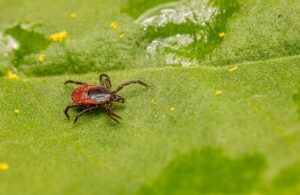
Would Hunters Accept a Lyme Disease Vaccine? New Research Reveals Hesitation Among High-Risk Groups
18/08/2026
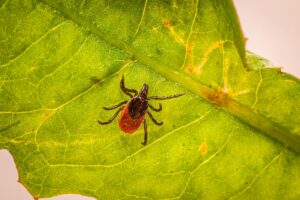
Lyme disease cases surge 22% in England as tick populations expand
22/06/2026

How Protein Structure Determines Life and Disease: A Molecular Framework
03/08/2026

Jackfruit-derived biomaterial shows promise in reversing severe gum disease damage
14/07/2026

Climate Change Is Reshaping Infectious Disease Patterns Worldwide
21/05/2026
New Molecular Diagnostic Kit Offers Rapid Detection for Multiple Arboviruses
23/09/2026
Frequently asked questions 12 Q&A — structured for Google featured snippets and AI discovery
Knowledge hub: guidelines, conventions and reports
Organizations working in migration and health
Related health topics
Tick-borne diseasesTularaemia (tick-borne)CCHF (tick-borne)Climate change (tick expansion)ArthritisDisability (chronic Lyme)
About this hub. Produced by the GMJ News Editorial Team as a public-good service. Every statistic is linked to its primary source. Documents are preserved in the GMJ Repository with full attribution. Georgian Medical Journal · Contact the editorial team