


Home › Topics › Non-Alcoholic Fatty Liver Disease (MASLD)
Non-Alcoholic Fatty Liver Disease (MASLD)
GMJ News knowledge hub · last reviewed October 2026 · Georgian Medical Journal
SummaryStatisticsGlossaryGMJ newsFAQDocumentsOrganizationsResearch
Non-alcoholic fatty liver disease — now renamed metabolic dysfunction-associated steatotic liver disease (MASLD) in 2023 — affects approximately 25% of the global adult population (approximately 1.9 billion people), making it the most common liver disease globally and a rapidly growing cause of liver cirrhosis, liver failure and hepatocellular carcinoma (WHO). The progressive inflammatory form — metabolic dysfunction-associated steatohepatitis (MASH, formerly NASH) — affects approximately 5% of the global population and progresses to cirrhosis in approximately 20-25% over 10-15 years. Resmetirom (Rezdiffra) — approved by FDA in March 2024 — is the first drug approved specifically for MASH with fibrosis, a landmark therapeutic breakthrough.
Key messages
25% of global population — the new epidemic
MASLD (metabolic dysfunction-associated steatotic liver disease, formerly NAFLD) affects approximately 25% of the global adult population — approximately 1.9 billion people — making it the most common liver disease globally (WHO/Lancet).
New nomenclature — MASLD and MASH
A 2023 international consensus renamed NAFLD → MASLD (metabolic dysfunction-associated steatotic liver disease) and NASH → MASH (metabolic dysfunction-associated steatohepatitis) — recognising the metabolic drivers and reducing stigma.
First approved drug for MASH — resmetirom 2024
Resmetirom (Rezdiffra) — a thyroid hormone receptor beta agonist — received FDA approval in March 2024 for non-cirrhotic MASH with moderate-advanced fibrosis (stages F2-F3). The MAESTRO-NASH trial showed 25-30% histological response, marking the first approved MASH-specific treatment.
Progressive in 20% — cirrhosis and HCC
Approximately 20-25% of MASH patients develop cirrhosis over 10-15 years. MASLD-related hepatocellular carcinoma (HCC) can occur even without cirrhosis. MASLD is now the leading cause of liver transplantation in the US, surpassing hepatitis C.
Driven by the obesity epidemic
MASLD is the hepatic manifestation of metabolic syndrome — driven by obesity, type 2 diabetes, dyslipidaemia and hypertension. Weight loss ≥10% substantially reduces liver fat, inflammation and fibrosis — making lifestyle intervention the cornerstone of management.
Lean MASLD is real
Approximately 10-20% of MASLD occurs in individuals with normal BMI ("lean MASLD") — driven by visceral adiposity, genetic factors (PNPLA3, TM6SF2 variants) and insulin resistance. BMI should not be used to exclude MASLD.
Key statistics
MASLD global prevalence (%) by region — WHO/Lancet Gastroenterology
Source: Lancet Gastroenterology 2023. Middle East and Latin America have highest MASLD prevalence.
Glossary of key terms
Latest GMJ coverage

Semaglutide Approved for Advanced Liver Disease: First GLP-1 Drug to Treat MASH with Fibrosis
17/09/2026

Experimental drug ION224 shows promise against severe fatty liver disease in UC San Diego trials
08/07/2026

Weekly Dual-Hormone Injection Reduces Liver Fat by 67% in Obesity Trial
05/07/2026
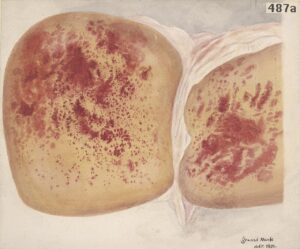
WHO Adopts Historic Resolution on Fatty Liver Disease as Missing Link in Global NCD Strategy
16/06/2026

Can Georgian Clay Clean Poisoned Water? Scientists Test a Natural Solution to Heavy Metal Pollution
28/08/2026
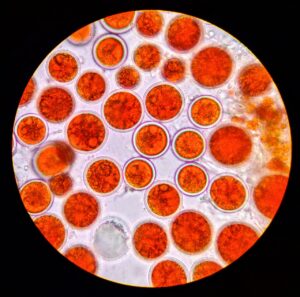
Astaxanthin Doses in the Clinic: What 6–12 mg Actually Showed
20/08/2026
Frequently asked questions 12 Q&A — structured for Google featured snippets and AI discovery
Knowledge hub: guidelines, conventions and reports
Organizations working in migration and health
Related health topics
Liver diseaseObesityDiabetesCVDHCCNutrition
About this hub. Produced by the GMJ News Editorial Team as a public-good service. Every statistic is linked to its primary source. Documents are preserved in the GMJ Repository with full attribution. Georgian Medical Journal · Contact the editorial team