By using this site, you agree to the Privacy Policy and Terms of Use.
Accept
GMJ NewsGMJ NewsGMJ News
  • Latest News
    • GMJ Briefs
  • Podcast & Media
    • Podcast Episodes
    • GMJ Audio
    • GMJ Videos
  • Research Digest
    • New Studies
    • Georgian Research
    • Data & Numbers
  • Policy & Systems
    • Health Policy
    • Quality & Safety
    • Migration & Health
    • Global Health
  • Practice
    • Clinical Updates
    • Case Discussions
    • Pharmacy & Prescribing
    • Ingredients A-Z
  • Perspectives
    • Editorial
    • Explainers
    • Voices
    • Letters
  • Health Topics
  • GMJ Articles
    • Vol. 1 Issue 2 (2026)
    • Vol. 1 Issue 1 (2026)
    • Pre-Launch Articles (2025)
  • Read the Journal →
  • About GMJ News
Notification Show More
Font ResizerAa
GMJ NewsGMJ News
Font ResizerAa
  • Latest News
    • GMJ Briefs
  • Podcast & Media
    • Podcast Episodes
    • GMJ Audio
    • GMJ Videos
  • Research Digest
    • New Studies
    • Georgian Research
    • Data & Numbers
  • Policy & Systems
    • Health Policy
    • Quality & Safety
    • Migration & Health
    • Global Health
  • Practice
    • Clinical Updates
    • Case Discussions
    • Pharmacy & Prescribing
    • Ingredients A-Z
  • Perspectives
    • Editorial
    • Explainers
    • Voices
    • Letters
  • Health Topics
  • GMJ Articles
    • Vol. 1 Issue 2 (2026)
    • Vol. 1 Issue 1 (2026)
    • Pre-Launch Articles (2025)
  • Read the Journal →
  • About GMJ News
Follow US
GMJ News > Perspectives > Explainers > Brain’s Energy Demands: Why B Vitamins and Micronutrients Matter for Cognitive Function
ExplainersPerspectives

Brain’s Energy Demands: Why B Vitamins and Micronutrients Matter for Cognitive Function

GMJ
Last updated: 12/07/2026 13:29
By
GMJ Perspectives Desk
Share
9 Min Read
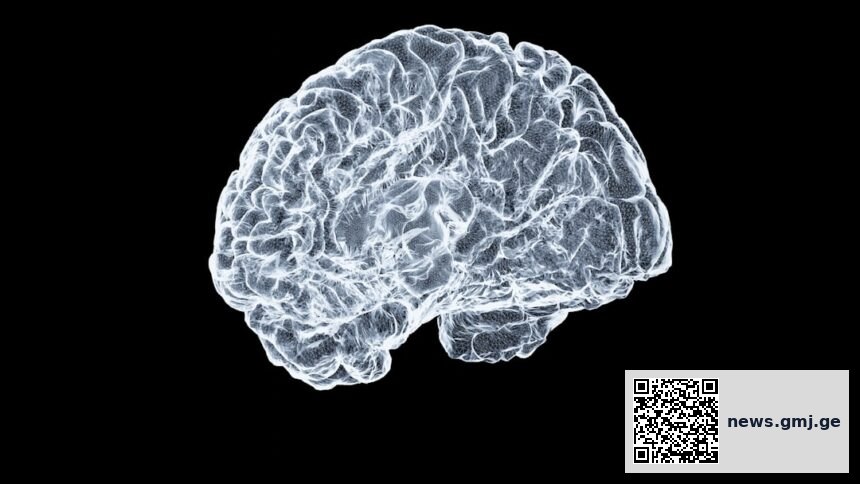
Infographic showing brain energy consumption by age and B vitamin metabolism pathwaysIllustrative image · Photo by Shawn Day on Unsplash (Unsplash License)
The human brain consumes 20% of body energy in adults—rising to 50% in children around age 10. Adequate B vitamins and micronutrients are essential cofactors in homocysteine metabolism, energy production, neurotransmitter synthesis, and myelin integrity, all critical for sustaining cognitive function. — Photo by Shawn Day on Unsplash (Unsplash License)
SHARE
6 min read|1,120 words
✓ Reviewed by GMJ News Editorial Team

🟡 Preliminary Evidence

Contents
    • Key takeaways
      • Brain Energy Consumption Across the Lifespan
  • Homocysteine Regulation: A Cornerstone of Vascular and Neural Health
  • Energy Metabolism: The ATP-Dependent Foundation of Neural Signaling
  • Neurotransmitter Synthesis: Mood, Cognition, and Emotional Resilience
  • Nerve Signal Transmission: Myelin Integrity and Axonal Conductivity
    • What this means
  • Frequently asked questions
    • Why does the brain consume so much more energy in children than adults?
    • Can B vitamin supplementation reverse cognitive decline?
    • How can I ensure adequate micronutrient intake for brain health?

The human brain accounts for approximately 20% of the body’s total energy expenditure in adults, yet this proportion rises sharply during childhood—reaching up to 50% around age 10. This extraordinary metabolic demand underpins every cognitive function, from memory consolidation to emotional regulation. Recent biochemical research underscores that sustaining this energy metabolism depends critically on the availability of specific micronutrients, particularly B vitamins, which act as essential cofactors in metabolic pathways that power neural signaling and neuronal health.

Key takeaways

  • The brain consumes ~20% of adult body energy; this rises to ~50% in children around age 10
  • B vitamins (B6, B9, B12, B1, B2, B3) and micronutrients regulate homocysteine, energy production, neurotransmitter synthesis, and myelin integrity
  • Deficiencies in thiamine, B12, or folate are associated with cognitive decline, neuropathy, and reversible neurological symptoms
  • Adequate micronutrient status supports long-term cognitive resilience and may slow age-related brain atrophy
50%
Peak proportion of body energy consumed by the brain around age 10, declining to ~20% in adulthood

Brain Energy Consumption Across the Lifespan

Percentage of total body energy expenditure, by age group

Age 10 (peak)
50%
Age 5–8
~42%
Age 15–20
~33%
Adult (20–60)
~20%
Older adult (65+)
~19%

Source: Metabolic studies in developmental neuroscience | Georgian Medical Journal News

Submit Your Paper
GMJ_Submit_Banner

Homocysteine Regulation: A Cornerstone of Vascular and Neural Health

Homocysteine, a sulphur-containing amino acid produced during protein metabolism, is metabolized via pathways that depend critically on B vitamins. Elevated homocysteine damages vascular endothelium and can impair neuronal function, contributing to accelerated cognitive decline and neurovascular dysfunction. Vitamins B6, B9 (folate), B12, riboflavin, choline, and niacin (B3) act as cofactors that remethylate homocysteine back to methionine, maintaining levels within a safe range.

🎙️ Related Podcast Episodes
🎧 #30 | GMJ Podcast | Global Health: Why Health Systems Matter · 15m

Research demonstrates that supplementing B12 and folate in older adults with elevated homocysteine has been shown to slow brain atrophy and improve memory performance. This finding is particularly relevant in clinical updates on cognitive preservation, where homocysteine management is increasingly recognized as a modifiable risk factor for dementia prevention.

Adequate folate and B12 reduce homocysteine levels, supporting long-term cognitive function and slowing age-related brain atrophy in older populations.

— Metabolic Neuroscience Research (2020–2025)

Energy Metabolism: The ATP-Dependent Foundation of Neural Signaling

The brain’s relentless demand for adenosine triphosphate (ATP) to sustain synaptic transmission, ion pump function, and neuroplasticity requires continuous mitochondrial energy production. B vitamins—particularly thiamine (B1) and riboflavin (B2)—along with lipoic acid, coenzyme Q10 (CoQ10), iron, and manganese, serve as essential cofactors in the electron transport chain and oxidative phosphorylation.

Thiamine (B1) deficiency impairs pyruvate dehydrogenase and α-ketoglutarate dehydrogenase complexes, disrupting the conversion of glucose into usable ATP. Patients with thiamine deficiency frequently present with reversible confusion, fatigue, and cognitive fog that resolves once B1 is replenished. This reversibility underscores the importance of early recognition and micronutrient screening in cases of unexplained cognitive decline, especially in populations at risk (alcohol use disorder, malabsorption, dialysis patients).

Neurotransmitter Synthesis: Mood, Cognition, and Emotional Resilience

Vitamin B6 (pyridoxal-5-phosphate) is an indispensable coenzyme for aminotransferases that convert amino acids into neurotransmitters including serotonin, dopamine, γ-aminobutyric acid (GABA), and noradrenaline. Low B6 status disrupts these conversions and weakens mood regulation and stress resilience. Clinical reports document that B6 supplementation in individuals with low serotonin production improves emotional stability and enhances resilience to psychosocial stress by restoring neurotransmitter balance.

Beyond B6, niacin (B3) participates in NAD+ synthesis, a critical cofactor in neuroplasticity and cellular stress response. Choline, a related micronutrient, supports acetylcholine synthesis and is essential for attention, memory encoding, and learning. Read more on patient-focused nutrition guidance for practical dietary recommendations.

Nerve Signal Transmission: Myelin Integrity and Axonal Conductivity

The speed and fidelity of neuronal signaling depend on the structural and functional integrity of myelin—the lipid-rich sheath that insulates axons—and the metabolic competence of the axon itself. Vitamin B12 deficiency can lead to subacute combined degeneration, a form of demyelination affecting both peripheral nerves and the spinal cord, manifesting as numbness, weakness, and cognitive slowing. Folate (B9), thiamine, and iron are similarly critical for maintaining myelin and supporting efficient action potential propagation.

Docosahexaenoic acid (DHA), a long-chain omega-3 polyunsaturated fatty acid, plays a dual role: it forms an integral component of neuronal membranes and promotes the plasticity required for learning and memory consolidation. Together, these nutrients ensure that neural signals traverse the brain and peripheral nervous system with minimal latency and maximum fidelity, supporting rapid cognition, motor control, and sensory processing.

What this means

For patients: Ensuring adequate intake of B vitamins (found in whole grains, legumes, leafy greens, eggs, and fortified foods) and omega-3 fatty acids supports cognitive resilience, mood stability, and prevention of age-related neurological decline. Screening for micronutrient deficiencies may be warranted in cases of unexplained cognitive fog, mood disturbance, or neuropathy.
For clinicians: Homocysteine and micronutrient status (B12, folate, B6, iron) should be evaluated in patients presenting with cognitive decline, mood disorders, or neuropathic symptoms. Supplementation of deficient micronutrients can produce reversible cognitive and neurological improvement, particularly in older adults and those with malabsorption or restricted diets.
For policymakers: Public health campaigns promoting B vitamin-rich diets and micronutrient fortification of staple foods may reduce the population burden of preventable cognitive decline and neurodegenerative disease, particularly in low-income regions with limited access to diverse nutrition.

Frequently asked questions

Why does the brain consume so much more energy in children than adults?

Rapid brain growth, myelination, and synaptic pruning during childhood (especially ages 5–10) require extraordinary metabolic support. As the brain matures and development slows, relative energy demand decreases. This metabolic intensity during childhood underscores the critical importance of micronutrient availability during these formative years.

Can B vitamin supplementation reverse cognitive decline?

In cases of documented micronutrient deficiency (B12, folate, thiamine), supplementation can produce measurable reversal of cognitive symptoms, particularly if the deficiency is identified early. However, supplementation in individuals with adequate baseline micronutrient status shows more modest cognitive benefits. Screening for deficiency is therefore essential before supplementation.

How can I ensure adequate micronutrient intake for brain health?

A balanced diet rich in whole grains, legumes, leafy greens, eggs, fish (especially for DHA), nuts, and seeds provides most essential B vitamins and micronutrients. Vegetarians and vegans should consider B12 supplementation or consumption of fortified foods. Individuals with malabsorption disorders, alcohol use disorder, or strict dietary restrictions may benefit from professional nutritional assessment and targeted supplementation.

As ageing populations confront rising rates of cognitive decline and neurodegenerative disease, the role of micronutrient status as a modifiable, preventable risk factor deserves greater clinical and public health attention. Future research should examine whether population-level micronutrient interventions can reduce the incidence of dementia and age-related cognitive loss, particularly in regions where nutritional deficiencies remain prevalent. The evidence base—though still preliminary in scope—suggests that ensuring optimal B vitamin and micronutrient availability across the lifespan may be one of the most accessible and cost-effective strategies for supporting long-term cognitive health.

Source: Brain Energy Metabolism and Micronutrient Regulation

Was this article helpful?

Disclaimer. This article is health journalism intended for general information and education. It is not medical advice and is not a substitute for professional diagnosis or treatment. Always consult a qualified healthcare provider about your individual circumstances. Full disclaimer →

Related Coverage

How Vitamin D Becomes an Antimicrobial Weapon Inside Your Immune CellsAug 15, 2026
Actin: The Molecular Engine Powering Cell Movement, Division, and Immune DefenseAug 15, 2026
Beyond the Powerhouse: How Mitochondria Control Energy, Stress, and Cell SurvivalAug 15, 2026
How vitamin B12 absorption works: two competing pathways explain why high-dose pills can rival injectionsAug 15, 2026
Explore more on this topic:🧭 Nutrition hub🧭 Supplements & Nutraceuticals hub🧭 Rheumatoid Arthritis hub
🔥 Most read this week
1Medicare’s AI Prior Authorization System Creates Patient Care Delays, Doctors Report
2Creatine Kidney Damage Myth Debunked by Major Safety Review of 26,000 Participants
3Why High-Dose Vitamin B12 Supplements Work Despite Poor Absorption
4Magnesium Form May Not Matter for Cognitive Benefits, New Meta-Analysis Suggests
Related reference
  • Coenzyme Q10 · Ingredient
  • Vitamin B12 · Ingredient
  • Riboflavin · Ingredient
  • Vitamin B6 · Ingredient
  • Vitamin A · Ingredient
  • Manganese · Ingredient
  • Thiamine · Ingredient
  • Choline · Ingredient
PG
Editorial oversight
Prof. Giorgi Pkhakadze, MD, MPH, PhD
Editor-in-Chief, GMJ News
Full profile →  ·  ORCID 0000-0001-7609-4515
Medical disclaimer. This article is health journalism intended for general information. It is not medical advice and is not a substitute for consultation with a qualified healthcare professional. Always seek your physician's advice regarding any medical condition.
Editorial standards. This article was produced under the GMJ News editorial process, with oversight by the GMJ Editorial Board. Our editorial process. Spotted an error? Contact the editorial team.

📬 GMJ Health Digest
Evidence-based medical news, once a week. Free, no spam, unsubscribe anytime.
TAGGED:B-vitaminsbrain metabolismcognitive healthmicronutrientsneurology
Share This Article
Facebook LinkedIn Bluesky Copy Link Print
GMJ
ByGMJ Perspectives Desk
Follow:
GMJ Perspectives Desk is part of GMJ News, the newsroom of the Georgian Medical Journal (gmj.ge), published by the Public Health Institute of Georgia. Every article is editorially reviewed before publication.
Leave a Comment Leave a Comment

Leave a Reply Cancel reply

Your email address will not be published. Required fields are marked *

Submit Your Paper →

Georgia's peer-reviewed open-access medical journal. No APC until January 2027.
Submit Manuscript →
How Vitamin D Becomes an Antimicrobial Weapon Inside Your Immune Cells

Macrophages actively convert vitamin D into cathelicidin, a potent antimicrobial peptide, when…

Actin: The Molecular Engine Powering Cell Movement, Division, and Immune Defense

Actin, comprising ~6% of cellular protein, is a multifunctional molecule enabling muscle…

Resistance Training Protects Brain Health Through Vascular and Cognitive Pathways, New Evidence Shows

Resistance training influences brain health through endothelial function, neurotrophic signalling, blood-brain barrier…

Submit Your Paper to GMJ

No APC until January 2027.
Submit Manuscript →

You Might Also Like

Infographic showing iodine, selenium, and tyrosine roles in thyroid hormone synthesis and regulationIllustrative image · Photo by Thoranin Duangsin on Pexels (Pexels License)
Clinical UpdatesExplainersPerspectivesPractice

Thyroid Health Depends on Three Nutrients Working Together, Not One Alone

By
GMJ Practice Desk
22/07/2026
Diagram showing neutrophil vitamin C accumulation and antioxidant regeneration during pathogen killingIllustrative image · Photo by Gundula Vogel on Pexels (Pexels License)
ExplainersPerspectives

Vitamin C Does Not Boost Immunity—It Regenerates the Cells That Kill Pathogens

By
GMJ Perspectives Desk
18/07/2026
Diagram showing interconnected nutrient pathways for energy production, enzyme function, and antioxidant defenseIllustrative image · Photo by Daily Nouri on Unsplash (Unsplash License)
ExplainersPerspectives

Vitamins Don’t Work Alone: How Nutrient Systems Keep Your Body Running

By
GMJ Perspectives Desk
07/08/2026
Illustration of UV radiation spectrum showing UVA, UVB penetration depths in human skinIllustrative image · Runner with Long-Sleeve Sun Protection (48855587326).jpg by Chris Hunkeler from Carlsbad, California, USA / CC BY-SA 2.0 via Wikimedia Commons (CC BY-SA 2.0)
Clinical UpdatesExplainersPerspectivesPractice

Understanding UV Radiation: What the Science Says About Sun Protection

By
GMJ Practice Desk
04/08/2026
Facebook Twitter Youtube Instagram
Company
  • Privacy Policy
  • Contact US
  • GMJ Journal
  • Submit Manuscript
  • Editorial Team
  • Register at GMJ
  • Terms of Use

Subscribe to GMJ News — Click here

Join Community
© 2026 Georgian Medical Journal (GMJ). Published by the Public Health Institute of Georgia (PHIG). All rights reserved.
Welcome Back!

Sign in to your account

Username or Email Address
Password

Lost your password?

Not a member? Sign Up