Updated 13/09/2026
🟠 Moderate Evidence
Deep within the brain, a structure no larger than a grain of rice orchestrates one of the body’s most fundamental biological processes: the 24-hour circadian rhythm. The suprachiasmatic nucleus (SCN), located in the hypothalamus, acts as the body’s central timekeeper, synchronising sleep-wake cycles, hormone release, metabolic rate, and mood across nearly every physiological system. Research on circadian biology has revealed that this master clock does far more than simply tell you when to sleep—it fundamentally reshapes how your body processes energy, regulates temperature, and maintains emotional stability throughout the day.
Key takeaways
- The suprachiasmatic nucleus (SCN) in the hypothalamus serves as the body’s master biological clock, synchronising circadian rhythms across multiple organ systems
- Light exposure is the primary signal that resets the SCN; morning light increases cortisol and alertness, while darkness triggers melatonin production and sleep preparation
- Circadian misalignment from shift work, irregular sleep, or late-night light exposure can disrupt metabolic and hormonal processes, with implications for weight management, insulin sensitivity, and mental health
- Organs from the liver to the pancreas to muscle tissue possess their own peripheral clock genes that align with the SCN’s schedule, creating time-of-day-dependent differences in metabolism
Light as the Primary Reset Signal
The SCN receives direct input from photoreceptors in the retina, making light the dominant environmental cue—or “zeitgeber”—that synchronises the internal clock to the external 24-hour day. According to circadian biology research documented in peer-reviewed literature on SCN function, morning light exposure triggers a cascade of neural signals that suppress melatonin production, increase cortisol secretion from the adrenal glands, and elevate core body temperature. Conversely, darkness signals the pineal gland to synthesise melatonin, lower body temperature, and initiate the sleep-wake transition.

This process is so finely tuned that artificial light exposure in the evening—from smartphones, televisions, or LED screens—can delay or suppress melatonin release, shifting the entire circadian phase. Studies published in research on blue light and melatonin suppression show that light exposure after sunset significantly reduces nighttime melatonin concentrations, potentially extending sleep latency and reducing sleep duration. This finding has led clinicians and sleep medicine specialists to recommend reducing screen time 30–60 minutes before bed as a behavioural intervention for sleep quality.
Circadian Regulation of Key Hormones and Metabolic States
Typical 24-hour hormone and metabolic profiles driven by the SCN master clock
Source: Circadian Rhythm Research Synthesis | Georgian Medical Journal News
Organ-Level Clock Genes and Time-Dependent Metabolism
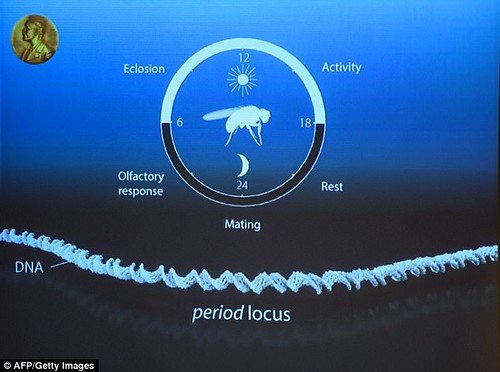
Beyond the central SCN, nearly every major organ—the liver, pancreas, muscle, adipose tissue, and gastrointestinal tract—possesses its own peripheral circadian clock driven by genes such as BMAL1, CLOCK, PER, and CRY. These peripheral clocks remain entrained to the SCN through hormonal and neural signals, ensuring metabolic processes occur at optimal times. Research on circadian regulation of metabolism, as documented in studies of peripheral clock gene expression, demonstrates that daytime metabolic processes differ markedly from nighttime patterns.
During daylight hours, the body prioritises energy utilisation and storage: liver glycogen synthesis peaks, pancreatic insulin secretion increases in response to meals, muscle tissue engages in glycolytic metabolism to support physical activity, and adipose tissue activates lipogenesis (fat synthesis). At night, this pattern reverses. Muscle shifts toward oxidative (aerobic) metabolism and tissue repair, the liver activates gluconeogenesis to maintain blood glucose during fasting, the pancreas secretes glucagon to prevent hypoglycaemia, and adipose tissue increases lipolysis (fat breakdown) whilst releasing leptin—the satiety hormone that signals fullness to the brain. This explains why the same calorie consumed at breakfast has different metabolic consequences than the same calorie consumed at midnight: the organ systems processing it are in fundamentally different metabolic states. Evidence from research on meal timing and circadian metabolism suggests that eating aligned with circadian peaks in digestive and metabolic capacity may improve insulin sensitivity and weight regulation.
The suprachiasmatic nucleus synchronises organ-level clock genes across the body, creating a coordinated 24-hour metabolic programme that determines when energy is stored versus mobilised, when repair occurs, and when hormones are released.
— Circadian Biology Research Consensus, based on integrated findings from peer-reviewed chronobiology literature
Circadian Misalignment and Health Consequences
When the internal circadian clock falls out of sync with the external 24-hour environment—a condition termed circadian misalignment—metabolic and hormonal dysfunction often follows. Shift workers, individuals with irregular sleep schedules, and those chronically exposed to light during sleep hours experience disrupted SCN signalling and desynchronisation of peripheral clocks. Research published in studies on shift work and metabolic consequences shows that circadian misalignment is associated with increased risk of obesity, type 2 diabetes, cardiovascular disease, and depressive disorders.
A major mechanism involves insulin dysregulation. When eating occurs during the circadian “night” (when the pancreas and liver are scheduled for glucagon secretion and gluconeogenesis), insulin secretion may be blunted and insulin resistance increases. Similarly, disrupted melatonin rhythms correlate with poorer glucose tolerance and altered leptin signalling, reducing appetite suppression and increasing energy intake. The relationship between circadian misalignment and mental health is equally striking: evidence on circadian disruption and mood disorders demonstrates that chronic circadian phase shift increases depressive and anxiety symptoms, partly through dysregulation of serotonin-melatonin coupling and altered stress hormone (cortisol) secretion patterns. For healthcare systems and occupational health programmes, these findings suggest that protective measures—such as strategic light exposure, melatonin supplementation, or shift scheduling aligned with chronotype—may reduce metabolic and psychiatric complications in shift-working populations.
Implications for Clinical Practice and Public Health
Understanding circadian physiology has practical applications across multiple clinical domains. Chronotherapy—the timed delivery of treatments aligned with circadian sensitivity—is emerging as a strategy to enhance drug efficacy and reduce side effects. For example, research on circadian timing of cancer chemotherapy indicates that infusing cytotoxic agents at times when circadian gene expression patterns favour repair of healthy tissue and impair cancer cell survival can improve tolerability and response. In cardiology, circadian variation in blood pressure, heart rate variability, and thrombotic risk is well-established, with implications for the timing of antihypertensive and antiplatelet therapy. Clinicians in clinical practice increasingly recognise that patient counselling on sleep hygiene, light exposure, and meal timing represents a foundational behavioural medicine intervention.
For the general public, the evidence points to several actionable recommendations: maintaining a consistent sleep-wake schedule (even on weekends), maximising bright light exposure in the morning, minimising artificial light in the evening, eating meals during daylight hours when digestive and metabolic capacity peaks, and avoiding caffeine in the afternoon and evening. These lifestyle practices cost nothing and require no medication, yet they directly support the body’s natural circadian programme. Individuals working shift schedules should consult Health Services">occupational health services about light exposure protocols, meal timing strategies, and melatonin supplementation to mitigate circadian desynchronisation. As health policy frameworks increasingly recognise sleep and circadian health as public health priorities, education on circadian principles may eventually become part of standard health literacy curricula.
What this means
Frequently asked questions
What is the suprachiasmatic nucleus, and where is it located?
The suprachiasmatic nucleus (SCN) is a small cluster of approximately 20,000 neurons located in the hypothalamus, just above the optic chiasm (where the optic nerves cross). It receives direct input from the eyes, allowing it to sense light and reset the body’s internal circadian clock. The SCN then synchronises circadian rhythms throughout the body via hormonal (melatonin, cortisol) and neural signalling to peripheral organs.
Why does eating late at night have different metabolic effects than eating in the morning?
Because organs like the pancreas, liver, and muscle have their own circadian clocks that align with the SCN schedule. During the day, the pancreas is primed to secrete insulin and process glucose; the liver activates glycogen synthesis. At night, the pancreas shifts toward glucagon secretion, and the liver activates gluconeogenesis. Eating when the digestive and metabolic machinery is “scheduled” for fasting can impair glucose tolerance and promote weight gain. Research on meal timing and metabolic health supports eating the majority of calories during daylight hours.
Can melatonin supplements fix circadian misalignment from shift work?
Melatonin can help shift the circadian phase and promote sleep initiation, but it is most effective when combined with other interventions: strategic light exposure (bright light in the morning or evening, depending on shift direction), consistent sleep-wake scheduling, and meal timing. Melatonin alone is not sufficient to overcome severe or chronic circadian misalignment. Shift workers should work with occupational health specialists to design a comprehensive circadian support strategy tailored to their schedule.
The discovery of the circadian system’s ubiquity across human physiology represents one of the most significant advances in modern biology. As chronobiology research deepens our understanding of how timing shapes metabolism, mood, and disease risk, personalised medicine approaches based on individual circadian profiles and chronotypes may become increasingly important. For now, simple practices—consistent sleep schedules, morning light, daytime eating—represent powerful yet underutilised tools for optimising health at every life stage.
🗺️ Find certified Georgian healthcare providers: sheniekimi.ge — Georgia Health Map · 998 clinics · 6,600+ doctors · 2,296 pharmacies
Was this article helpful?
Disclaimer. This article is health journalism intended for general information and education. It is not medical advice and is not a substitute for professional diagnosis or treatment. Always consult a qualified healthcare provider about your individual circumstances. Full disclaimer →
Related Coverage




Editorial standards. This article was produced under the GMJ News editorial process, with oversight by the GMJ Editorial Board. Our editorial process. Spotted an error? Contact the editorial team.