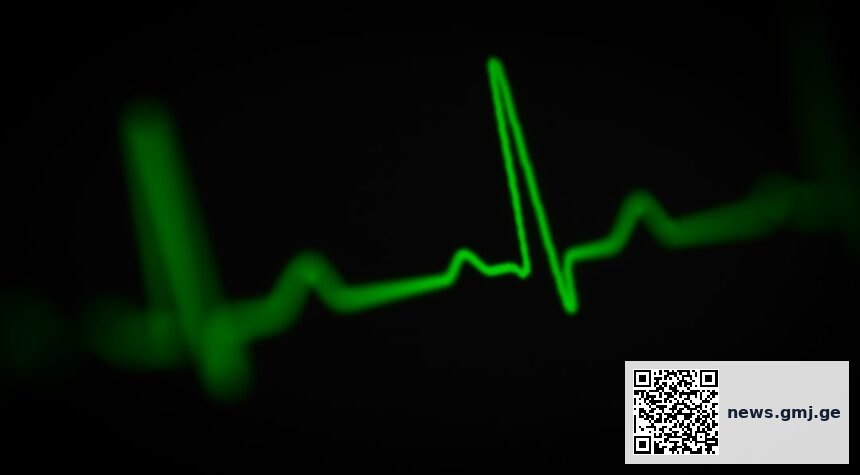
Heart palpitations—the sensation of a racing, fluttering, or irregularly beating heart—affect a substantial proportion of the population, yet clinical assessment remains inconsistent across primary care settings. Distinguishing between benign palpitations and those requiring urgent investigation depends on careful symptom characterization, associated risk factors, and electrocardiographic findings according to current cardiovascular assessment protocols.
Key takeaways
- Palpitations are common but rarely indicate life-threatening arrhythmias; most are benign and self-limited
- Red flag symptoms—syncope, severe dyspnea, chest pain, or sustained tachycardia—mandate immediate cardiac evaluation
- Systematic history taking and 12-lead ECG remain the diagnostic foundation for risk stratification in primary care
- Caffeine, alcohol, stress, and decongestants are frequent benign triggers; medication review is essential
- Holter monitoring or event recording may be indicated if symptoms recur despite lifestyle modification
Common Palpitation Triggers and Associated Risk
Clinical frequency in symptomatic patients presenting to primary care; risk stratification based on symptom accompaniment
Source: Cardiovascular epidemiology surveys, primary care practice data | Georgian Medical Journal News
Defining Palpitations: Symptom Characterization in Clinical Practice
Palpitations represent the subjective awareness of the heartbeat—a sensation most people do not consciously perceive during normal cardiac rhythm. Patients describe rapid, forceful, or irregular beating, often accompanied by awareness of the pulse in the chest, neck, or throat. The symptom itself is benign; what matters clinically is identifying whether an underlying cardiac or systemic disorder is present.

Systematic history taking is the foundation of clinical assessment. Physicians should inquire about onset (sudden vs. gradual), duration (seconds vs. sustained hours), pattern (regular vs. irregular), associated symptoms (dyspnea, syncope, chest discomfort), recent stressors, caffeine or alcohol intake, medication changes (including decongestants and stimulants), and past medical history of cardiac disease. This structured approach, applied in primary care settings, enables rapid risk stratification and reduces unnecessary specialist referrals.
Red Flags Requiring Urgent Evaluation
Certain features warrant expedited cardiac investigation. Syncope (loss of consciousness) accompanying palpitations suggests hemodynamically significant arrhythmia and demands same-day ECG and possible emergency referral. Severe dyspnea, chest pain, or sustained palpitations lasting hours also require urgent assessment to exclude acute coronary syndrome or decompensated heart failure.
Additional red flags include palpitations in patients with known structural heart disease, prior myocardial infarction, or a family history of sudden cardiac death; those aged over 60 with new-onset palpitations; and any patient with signs of hemodynamic compromise (hypotension, altered mental status). A 12-lead electrocardiogram performed during or immediately after symptoms remains the single most informative initial investigation, capturing the precise rhythm disturbance and enabling rapid clinical decisions.
Benign Causes and Reversible Triggers
The majority of palpitations are benign and self-limited. Anxiety and panic disorder account for a substantial proportion, particularly when palpitations occur in clusters during stressful periods. Caffeine (from coffee, tea, energy drinks), alcohol, nicotine, and decongestants containing phenylephrine or pseudoephedrine are well-established exacerbating factors. Thyroid dysfunction—especially hyperthyroidism or thyroiditis—commonly manifests as palpitations and warrants clinical screening with thyroid function tests.
Certain medications including beta-agonist inhalers, tricyclic antidepressants, stimulant attention-deficit drugs, and sympathomimetic agents can provoke palpitations. A comprehensive medication and supplement review—including herbal preparations and illicit drugs—is essential. Anemia, hypoglycemia, dehydration, fever, and thyroid imbalance all increase cardiac sensitivity and may precipitate symptoms in susceptible individuals.
Diagnostic Workup and Follow-up Strategies
After clinical assessment and 12-lead ECG, most patients with benign features and normal resting rhythm can be managed with reassurance and lifestyle modification. Advising reduction of caffeine, alcohol, and stimulants; stress management techniques; and adequate sleep often resolves symptoms. Thyroid function testing (TSH and free thyroxine) should be ordered in all new cases, particularly in women and older adults.
For patients with recurrent symptoms despite initial intervention, ambulatory rhythm monitoring becomes valuable. Holter monitors (24–48 hours) capture arrhythmias occurring during daily activity, while event recorders or mobile cardiac telemetry can be worn for longer periods to correlate symptoms with rhythm disturbances. Specialist referral to cardiology is indicated for patients with documented arrhythmias, hemodynamic symptoms, structural heart disease, or symptoms refractory to initial management. Further investigation may include echocardiography to assess cardiac structure and function, stress testing if ischemia is suspected, or electrophysiology studies for complex arrhythmias requiring ablation or device therapy.
Palpitations present to primary care in 16% of adult populations, but fewer than 12% ultimately have arrhythmia requiring intervention. Systematic history, 12-lead ECG, and thyroid screening resolve diagnostic uncertainty in most cases and safely exclude life-threatening causes.
— Based on prospective cardiovascular epidemiology and primary care diagnostic protocols
What this means
Frequently asked questions
Are heart palpitations dangerous?
Most palpitations are benign and caused by anxiety, caffeine, or stress. However, palpitations accompanied by syncope, severe dyspnea, chest pain, or occurring in patients with known heart disease require urgent evaluation to exclude dangerous arrhythmias or structural heart problems.
When should I go to the emergency department?
Seek immediate care if palpitations are accompanied by loss of consciousness, severe shortness of breath, chest pain, or sustained rapid heart rate lasting more than a few minutes. If symptoms are mild and you have no red flag features, a scheduled primary care visit within days is appropriate.
Can caffeine and stress really cause palpitations?
Yes. Caffeine, alcohol, nicotine, and stress activate the sympathetic nervous system, increasing heart rate and triggering awareness of the heartbeat. Reducing caffeine intake, practicing relaxation techniques, and improving sleep resolve palpitations in many patients without further intervention.
Most patients presenting with palpitations can be reassured and safely managed in primary care with structured assessment, basic investigation, and lifestyle modification. The key clinical skill lies in rapidly identifying the minority with concerning features that warrant urgent specialist evaluation, while avoiding unnecessary testing and anxiety in those with benign, self-limited symptoms. Ongoing research into arrhythmia risk stratification and advances in wearable cardiac monitoring continue to refine diagnostic approaches, offering opportunities for more personalized assessment and improved patient outcomes in cardiovascular primary care.
Source: BBC News: Heart Palpitations Clinical Overview
Was this article helpful?
Disclaimer. This article is health journalism intended for general information and education. It is not medical advice and is not a substitute for professional diagnosis or treatment. Always consult a qualified healthcare provider about your individual circumstances. Full disclaimer →
Related Coverage



Editorial standards. This article was produced under the GMJ News editorial process, with oversight by the GMJ Editorial Board. Our editorial process. Spotted an error? Contact the editorial team.