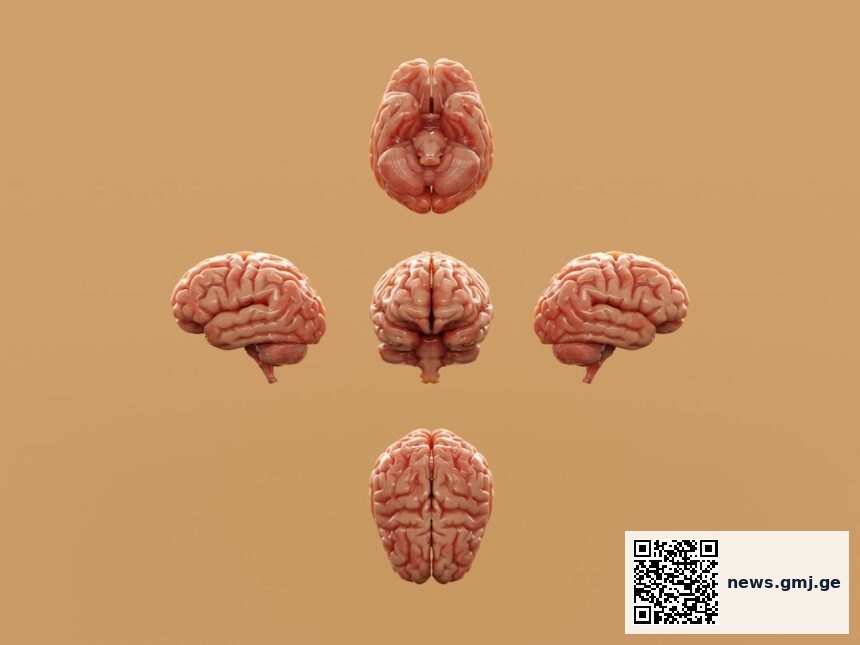
The human nervous system operates as a sophisticated biological control network, orchestrating everything from conscious thought to automatic body functions through electrochemical signalling. Understanding its basic architecture—from sensory pathways to neurotransmitter systems—provides insight into how neurological health underpins everyday wellbeing and how disruptions in this system lead to clinical disease.
Key takeaways
- The trigeminal nerve system transmits sensations from the face, eyes, mouth, and scalp directly to the brain, forming the anatomical basis for facial pain and sensory disorders
- The autonomic nervous system operates on autopilot, continuously shifting between sympathetic (“fight-or-flight”) and parasympathetic (“rest-and-digest”) states to regulate heart rate, digestion, breathing, and blood pressure
- Neurotransmitters—dopamine, serotonin, GABA, norepinephrine, and glutamate—are the chemical messengers that regulate mood, sleep, motivation, and cognitive function, and imbalances in these systems underlie many neuropsychiatric disorders
The Three-Layer Architecture of Your Nervous System
From sensory pathways to autonomic control to neurochemical signalling
Source: Neuroanatomical framework | Georgian Medical Journal News
The Trigeminal Pathways: Sensory Highways from Face to Brain
The trigeminal nerve (cranial nerve V) represents one of the most densely innervated sensory systems in the human body, transmitting sensations from the face, eyes, mouth, and scalp directly to brainstem nuclei. This anatomical arrangement explains why facial pain—including toothaches, trigeminal neuralgia, and migraine headaches—can be both intense and clinically significant. When you experience a cold breeze on your cheek, dental pain, or the early warning signs of a headache, the trigeminal system is the neural substrate transmitting that signal.

Clinically, dysfunction in trigeminal pathways underlies multiple conditions documented in neurology and pain medicine literature. Trigeminal neuralgia, for example, involves abnormal firing of these sensory neurons, producing the characteristic sudden, severe facial pain. Understanding the anatomy of trigeminal pathways is essential for diagnosis and treatment planning in orofacial pain disorders and is reflected in guidelines from the American Academy of Neurology.
The Autonomic Nervous System: Your Body’s Automatic Pilot
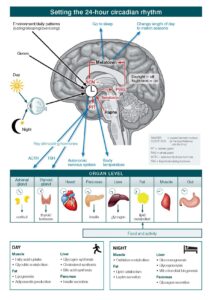
The autonomic nervous system operates continuously without conscious control, managing heart rate, blood pressure, digestion, breathing, pupil size, sweating, and sexual function. This system exists in constant dynamic balance between two opposing states: the sympathetic nervous system (which accelerates metabolism and prepares for action) and the parasympathetic nervous system (which promotes recovery and energy conservation). According to foundational neuroscience research, the autonomic nervous system maintains homeostasis through reciprocal control of these branches.
In clinical practice, autonomic dysfunction manifests in conditions ranging from postural orthostatic tachycardia syndrome (POTS) to diabetic neuropathy. When sympathetic-parasympathetic balance is disrupted—through chronic stress, metabolic disease, or neurological injury—patients experience symptoms including heart palpitations, abnormal sweating, gastrointestinal dysfunction, and blood pressure dysregulation. Research from the American Heart Association emphasizes that autonomic nervous system assessment is increasingly integrated into cardiovascular risk stratification.
Neurotransmitters: The Chemical Language of the Brain
Behind every mood, thought, sensation, and bodily function lies a cascade of neurotransmitters—chemical messengers that neurons use to communicate across synapses. Dopamine regulates motivation, reward, and motor control; serotonin influences mood and sleep; GABA provides inhibitory (calming) signalling; norepinephrine drives attention and arousal; and glutamate provides excitatory (activating) signalling. Imbalances in these systems form the neurochemical basis for major neuropsychiatric disorders.
Major depressive disorder, for instance, is associated with reduced serotonin and dopamine signalling, which is why selective serotonin reuptake inhibitors (SSRIs) form the pharmacological backbone of antidepressant therapy. GABA dysfunction underlies anxiety disorders, while glutamate excitotoxicity is implicated in neurodegenerative diseases including Alzheimer’s disease and amyotrophic lateral sclerosis (ALS). The National Institute of Mental Health supports ongoing research into how neurotransmitter systems can be targeted therapeutically in resistant psychiatric conditions.
The human nervous system continuously integrates sensory input through the trigeminal and spinal pathways, processes that information through autonomic and central circuits, and translates the result into behaviour and bodily function through precise neurotransmitter signalling—a process occurring millions of times per second.
— Neurophysiology textbook framework, foundational principle
What this means
Frequently asked questions
What is the trigeminal nerve and why does it matter?
The trigeminal nerve (cranial nerve V) is responsible for transmitting sensations from the face, eyes, mouth, and scalp to the brain. It is clinically important because dysfunction in this nerve causes conditions such as trigeminal neuralgia (severe facial pain), dental pain, and migraine headaches. Understanding its anatomy helps clinicians diagnose and treat orofacial pain disorders more effectively.
How do the sympathetic and parasympathetic nervous systems differ?
The sympathetic nervous system activates the “fight-or-flight” response, increasing heart rate, blood pressure, and mental alertness during stress or danger. The parasympathetic nervous system activates the “rest-and-digest” response, slowing heart rate, promoting digestion, and facilitating recovery. Both systems operate continuously and maintain health through dynamic balance; chronic stress disrupts this balance, leading to dysregulation of heart rate, digestion, and immune function.
What are neurotransmitters and how do they affect mood and behaviour?
Neurotransmitters are chemical messengers that neurons release to communicate with each other across synapses. Key neurotransmitters include dopamine (motivation and reward), serotonin (mood and sleep), GABA (calmness and anxiety control), norepinephrine (attention and arousal), and glutamate (learning and memory). Imbalances in these chemicals underlie depression, anxiety, sleep disorders, and cognitive dysfunction, which is why medications targeting neurotransmitter systems form the basis of psychiatric and neurological treatment.
Advances in neuroimaging and molecular neuroscience continue to refine our understanding of how nervous system circuits integrate sensory information, regulate bodily functions, and generate conscious experience. As clinical neurology and psychiatry increasingly adopt circuit-based diagnostic approaches—moving beyond single-symptom diagnosis toward mapping underlying neurobiological dysfunction—a foundational grasp of trigeminal anatomy, autonomic physiology, and neurotransmitter pharmacology becomes essential for both clinicians and informed patients. Integration of this knowledge into routine clinical practice and public health education represents a key frontier in improving outcomes across neurological and psychiatric disease.
Source: Neuroanatomical and neurophysiological educational framework | Georgian Medical Journal News
Was this article helpful?
Disclaimer. This article is health journalism intended for general information and education. It is not medical advice and is not a substitute for professional diagnosis or treatment. Always consult a qualified healthcare provider about your individual circumstances. Full disclaimer →
Related Coverage

Editorial standards. This article was produced under the GMJ News editorial process, with oversight by the GMJ Editorial Board. Our editorial process. Spotted an error? Contact the editorial team.