By using this site, you agree to the Privacy Policy and Terms of Use.
Accept
GMJ NewsGMJ NewsGMJ News
  • Latest News
    • GMJ Briefs
  • Podcast & Media
    • Podcast Episodes
    • GMJ Audio
    • GMJ Videos
  • Research Digest
    • New Studies
    • Georgian Research
    • Data & Numbers
  • Policy & Systems
    • Health Policy
    • Quality & Safety
    • Migration & Health
    • Global Health
  • Practice
    • Clinical Updates
    • Case Discussions
    • Pharmacy & Prescribing
    • Ingredients A-Z
  • Perspectives
    • Editorial
    • Explainers
    • Voices
    • Letters
  • Health Topics
  • GMJ Articles
    • Vol. 1 Issue 2 (2026)
    • Vol. 1 Issue 1 (2026)
    • Pre-Launch Articles (2025)
  • Read the Journal →
  • About GMJ News
Notification Show More
Font ResizerAa
GMJ NewsGMJ News
Font ResizerAa
  • Latest News
    • GMJ Briefs
  • Podcast & Media
    • Podcast Episodes
    • GMJ Audio
    • GMJ Videos
  • Research Digest
    • New Studies
    • Georgian Research
    • Data & Numbers
  • Policy & Systems
    • Health Policy
    • Quality & Safety
    • Migration & Health
    • Global Health
  • Practice
    • Clinical Updates
    • Case Discussions
    • Pharmacy & Prescribing
    • Ingredients A-Z
  • Perspectives
    • Editorial
    • Explainers
    • Voices
    • Letters
  • Health Topics
  • GMJ Articles
    • Vol. 1 Issue 2 (2026)
    • Vol. 1 Issue 1 (2026)
    • Pre-Launch Articles (2025)
  • Read the Journal →
  • About GMJ News
Follow US
GMJ News > Practice > Clinical Updates > Vitamin C supplements can interact with common medications: what patients need to know
Clinical UpdatesPharmacy & PrescribingPractice

Vitamin C supplements can interact with common medications: what patients need to know

GMJ
Last updated: 09/08/2026 16:37
By
GMJ Practice Desk
Share
9 Min Read
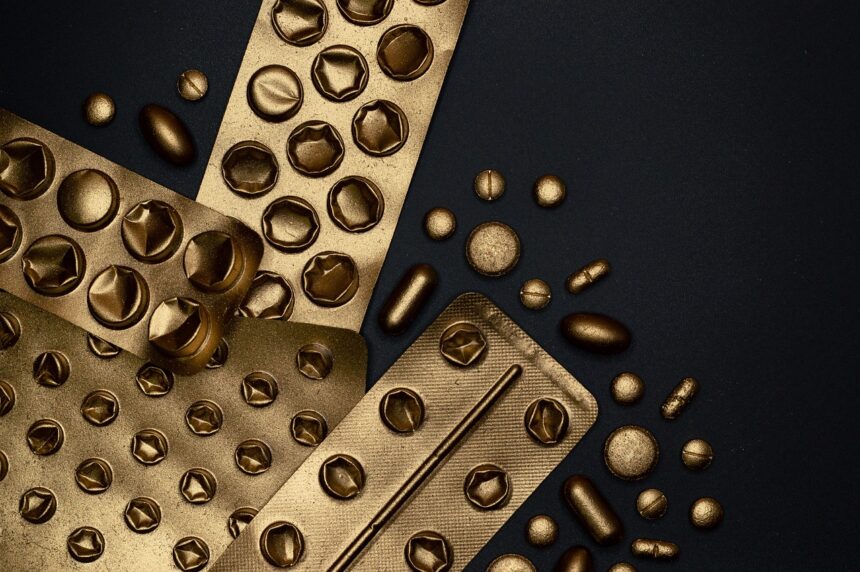
Infographic showing medication classes affected by high-dose vitamin C supplementationIllustrative image · Image by padrinan on Pixabay (Pixabay Content License)
High-dose vitamin C supplements can reduce the effectiveness of anticoagulants, statins, and chemotherapy agents. Patients taking these medications should inform their healthcare providers about supplement use and maintain consistent, modest dosing. — Image by padrinan on Pixabay (Pixabay Content License)
SHARE
6 min read|1,152 words
✓ Reviewed by GMJ News Editorial Team

Vitamin C is one of the most widely used dietary supplements, but it can interact with several common medications in ways that reduce drug effectiveness or alter absorption. Understanding these interactions is essential for patient safety, particularly for those taking medications for chronic conditions like cardiovascular disease, cancer, or blood clotting disorders.

Contents
    • Key takeaways
      • Common medication classes affected by high-dose vitamin C
  • How vitamin C interferes with anticoagulants
  • Statin metabolism and vitamin C absorption effects
  • Chemotherapy efficacy and vitamin C supplementation
  • Practical guidance: timing, dosing, and disclosure
    • What this means
  • Frequently asked questions
    • Can I eat vitamin C-rich foods if I take blood thinners?
    • Is a 500 mg vitamin C supplement safe with my statin?
    • What if I already take vitamin C and didn’t tell my doctor?

Key takeaways

  • High-dose vitamin C (above 2,000 mg daily) can reduce the effectiveness of anticoagulants like warfarin and newer blood thinners
  • Vitamin C may interfere with statins and certain chemotherapy agents through effects on drug metabolism and absorption
  • Timing matters: taking vitamin C supplements 2 hours apart from medications can minimise some interactions
  • Patients should always inform their doctor or pharmacist about supplement use before starting new medications
2,000 mg
daily threshold above which vitamin C is more likely to cause clinically significant drug interactions, according to pharmacology guidelines

Common medication classes affected by high-dose vitamin C

Relative risk of interaction at doses above 2,000 mg daily

Anticoagulants (warfarin, apixaban)
High
Statins (atorvastatin, simvastatin)
Moderate-High
Chemotherapy agents (cisplatin)
Moderate
Antacids (H2 blockers)
Moderate
Diabetes medications (metformin)
Low

Source: Pharmacological Reviews, compilation of interaction studies 2015–2024 | Georgian Medical Journal News

How vitamin C interferes with anticoagulants

Vitamin C acts as a reducing agent in the body and can accelerate the metabolism of vitamin K–dependent clotting factors. For patients taking warfarin or newer anticoagulants like apixaban and rivaroxaban, high-dose vitamin C supplementation can reduce drug levels in the bloodstream, potentially lowering anticoagulant effectiveness and increasing clot risk. The effect is dose-dependent: supplementation at or below the NIH recommended dietary allowance (RDA) of 90 mg daily for adult women and 75 mg for men poses minimal risk.

Submit Your Paper
GMJ_Submit_Banner

Research on this interaction is strongest in observational and pharmacokinetic studies. Patients on blood thinners who wish to take vitamin C should maintain consistent doses (if any) and inform their anticoagulation provider or cardiologist before starting supplements. Pharmacy & Prescribing updates regularly highlight such interactions to help clinicians manage polypharmacy safely.

🎙️ Related Podcast Episodes
🎧 #39 | GMJ Podcast | Acne and Metabolic Dysfunction — Insulin Resistance, IGF-1, and Clinical Implications · 15m
🎧 #36 | GMJ Podcast | Artificial Intelligence and Doctor–Patient Communication — Evidence from Georgian Clinics · 18m
🎧 #12 | WHO and Global Regulators Promote Antibiotic Labelling to Combat Antimicrobial Resistance · 19m

Statin metabolism and vitamin C absorption effects

Statins are metabolised through the cytochrome P450 enzyme system, particularly CYP3A4. High-dose vitamin C can modulate this pathway, potentially increasing statin levels and the risk of muscle-related side effects (myopathy), though the clinical significance remains moderate. Additionally, vitamin C at high doses may reduce the intestinal absorption of dietary lipids, which could affect how well fat-soluble components of some medications are absorbed.

For patients on atorvastatin, simvastatin, or rosuvastatin, the interaction is not an absolute contraindication but warrants awareness. Spacing supplementation 2–3 hours away from statin doses and maintaining consistent intake can help minimise variability. Clinical Updates on new drug approvals and guideline changes increasingly emphasise the importance of medication timing.

Chemotherapy efficacy and vitamin C supplementation

High-dose intravenous or oral vitamin C has been explored as an adjunct to cancer therapy, but concurrent supplementation with certain chemotherapy agents—particularly cisplatin and doxorubicin—can reduce drug efficacy by acting as an antioxidant that interferes with the pro-oxidant mechanism by which these agents kill cancer cells. Cancer patients and their oncologists must discuss any supplement use, as even dietary vitamin C from food sources can accumulate to problematic levels in some contexts.

Patients undergoing chemotherapy should not initiate high-dose vitamin C supplementation without explicit approval from their oncology team. The balance between antioxidant protection and chemotherapy efficacy requires individualised clinical judgment.

High-dose vitamin C supplementation (above 2,000 mg daily) significantly reduces the blood anticoagulant effect of warfarin and newer anticoagulants, potentially increasing thrombotic risk in susceptible patients.

— Based on pharmacokinetic and observational data in multiple drug interaction databases and published reviews

Practical guidance: timing, dosing, and disclosure

Know your dose: Vitamin C from food (citrus, berries, cruciferous vegetables) rarely causes interactions. Supplemental vitamin C in doses above 2,000 mg daily—common in some over-the-counter formulations—poses the greatest risk. Standard 500 mg daily doses carry minimal interaction risk for most patients.

Time your intake: If you take vitamin C supplements and blood thinners, statins, or chemotherapy, separate the timing by at least 2 hours. This reduces competitive absorption and metabolic interference. Morning supplement, afternoon medication, or vice versa, is a simple practical approach.

Tell your healthcare team: Before starting any supplement—including vitamin C—inform your doctor, pharmacist, or oncologist. This is especially critical if you take medications for cardiovascular disease, blood clotting, or cancer. Your pharmacist can cross-check your full medication list against known interactions and adjust timing or dosing if needed.

Monitor for changes: If you have started vitamin C supplements and notice unexpected symptoms (increased bleeding, bruising, muscle pain with statins, or changes in cancer treatment response), contact your healthcare provider immediately.

What this means

For patients: Do not stop or start vitamin C supplements without consulting your doctor or pharmacist, especially if you take anticoagulants, statins, or chemotherapy. Stick to food sources of vitamin C when possible. If supplementing, stay below 2,000 mg daily and always disclose use to your healthcare team.
For clinicians: Routinely ask patients about supplement use during medication history. When prescribing anticoagulants, statins, or chemotherapy, specifically counsel on vitamin C risks. Consider dose reduction or timing adjustments if high-dose supplementation cannot be avoided, and monitor relevant clinical parameters (INR for anticoagulation, myopathy symptoms, chemotherapy response).
For policymakers: Strengthen regulatory labelling requirements for over-the-counter vitamin C products to include contraindication information. Support pharmacist-led medication reconciliation programs that capture supplement use in electronic health records. Fund patient education campaigns on supplement–drug interactions as part of medication safety initiatives.

Frequently asked questions

Can I eat vitamin C-rich foods if I take blood thinners?

Yes. Food sources of vitamin C (oranges, kiwis, broccoli) contain much lower amounts than supplements and are unlikely to cause clinically significant interactions. However, consistency matters: if you eat large quantities of vitamin K-rich foods (kale, spinach, broccoli), inform your anticoagulation provider, as vitamin K directly antagonises warfarin. Moderation and consistency are the principles.

Is a 500 mg vitamin C supplement safe with my statin?

Generally, yes. The interaction risk increases substantially above 2,000 mg daily. A standard 500 mg daily dose is unlikely to cause clinically significant statin interactions, but always check with your pharmacist. If you have muscle pain (myopathy) with your statin, adding vitamin C is best avoided until the cause is clarified.

What if I already take vitamin C and didn’t tell my doctor?

Do not stop abruptly—sudden cessation of high-dose vitamin C can cause rebound effects. Schedule an appointment with your doctor or pharmacist, bring your supplement bottle, and discuss your medication list together. They can assess whether any dose adjustments or monitoring changes are needed and help you plan safe continuation or discontinuation.

The relationship between vitamins and medications remains an evolving area of pharmacology. While vitamin C is generally recognised as safe at recommended dietary intake levels, supplement use in populations taking multiple medications warrants informed decision-making and professional oversight. Encouraging transparent dialogue between patients and healthcare providers about all supplements—not just prescription drugs—is central to safer, more effective medication management.

Source: Vitamin C and your medications: interactions every patient should know

Was this article helpful?

100% of readers found this helpful (1 votes)

Disclaimer. This article is health journalism intended for general information and education. It is not medical advice and is not a substitute for professional diagnosis or treatment. Always consult a qualified healthcare provider about your individual circumstances. Full disclaimer →

Related Coverage

Teaching Children to Make Safe Choices: Beyond Protective BarriersAug 9, 2026
Protecting Children During Extreme Heat: Clinical Guidance for Families and Healthcare ProvidersAug 9, 2026
Brain imaging reveals speech learning depends on sensory processing, not motor control aloneAug 8, 2026
Controversial COVID-19 Vaccine Study Published After CDC Journal RejectionAug 8, 2026
Explore more on this topic:🧭 Patient Safety & Healthcare Accreditation hub🧭 Supplements & Nutraceuticals hub
🔥 Most read this week
1Why High-Dose Vitamin B12 Supplements Work Despite Poor Absorption
2Creatine Kidney Damage Myth Debunked by Major Safety Review of 26,000 Participants
3Magnesium Supplements: Marketing Claims vs Scientific Evidence
4Magnesium Form May Not Matter for Cognitive Benefits, New Meta-Analysis Suggests
Related reference
  • Atorvastatin · Drug
  • Rosuvastatin · Drug
  • Rivaroxaban · Drug
  • Simvastatin · Drug
  • Vitamin C · Ingredient
  • Vitamin K · Ingredient
  • Metformin · Drug
  • Warfarin · Drug
PG
Editorial oversight
Prof. Giorgi Pkhakadze, MD, MPH, PhD
Editor-in-Chief, GMJ News
Full profile →  ·  ORCID 0000-0001-7609-4515
Medical disclaimer. This article is health journalism intended for general information. It is not medical advice and is not a substitute for consultation with a qualified healthcare professional. Always seek your physician's advice regarding any medical condition.
Editorial standards. This article was produced under the GMJ News editorial process, with oversight by the GMJ Editorial Board. Our editorial process. Spotted an error? Contact the editorial team.

📬 GMJ Health Digest
Evidence-based medical news, once a week. Free, no spam, unsubscribe anytime.
TAGGED:anticoagulantsdrug interactionsPatient SafetypharmacystatinsSupplementsvitamin C
Share This Article
Facebook LinkedIn Bluesky Copy Link Print
GMJ
ByGMJ Practice Desk
Follow:
GMJ Practice Desk is part of GMJ News, the newsroom of the Georgian Medical Journal (gmj.ge), published by the Public Health Institute of Georgia. Every article is editorially reviewed before publication.
Leave a Comment Leave a Comment

Leave a Reply Cancel reply

Your email address will not be published. Required fields are marked *

Submit Your Paper →

Georgia's peer-reviewed open-access medical journal. No APC until January 2027.
Submit Manuscript →
Immune ‘Peacemakers’ May Unlock Long-Term Disease Remission in Autoimmune Conditions

Regulatory immune cells that suppress harmful inflammation could unlock long-term disease remission…

MHRA publishes register of authorised online medicine sellers in Northern Ireland

The MHRA has published a searchable register of all websites authorised to…

UK Approves COVID-19 Test Products: What Healthcare Providers Need to Know

The UK Department of Health and Social Care has published an authoritative…

Submit Your Paper to GMJ

No APC until January 2027.
Submit Manuscript →

You Might Also Like

Graph showing motoneuron excitability levels across sarcopenic, nonsarcopenic, and master athlete aging phenotypesIllustrative image · Photo by Kampus Production on Pexels (Pexels License)
Clinical UpdatesNew StudiesPracticeResearch Digest

Muscle Loss in Aging Is Fundamentally a Nerve Problem, Study Shows

By
GMJ Practice Desk
24/07/2026
Dexcom continuous glucose monitor sensor showing real-time glucose data readout
Clinical Updates

Dexcom Signals Expansion Beyond Diabetes as CGM Technology Reshapes Health Monitoring

By
GMJ Practice Desk
19/05/2026
Chart showing divergent STI trends in England with herpes cases rising
Clinical UpdatesPractice

Genital herpes cases rise in England despite overall STI decline

By
GMJ Practice Desk
02/06/2026
Diagram showing how antidepressants target neurotransmitters while nutraceuticals address inflammation, micronutrient deficiency, and metabolic dysfunction in depression treatmentIllustrative image · Photo by Marta Branco on Pexels (Pexels License)
Clinical UpdatesNew StudiesPracticeResearch Digest

Why Nutraceuticals Help Depression: Not by Acting as Drugs, but by Fixing What Antidepressants Miss

By
GMJ Practice Desk
27/07/2026
Facebook Twitter Youtube Instagram
Company
  • Privacy Policy
  • Contact US
  • GMJ Journal
  • Submit Manuscript
  • Editorial Team
  • Register at GMJ
  • Terms of Use

Subscribe to GMJ News — Click here

Join Community
© 2026 Georgian Medical Journal (GMJ). Published by the Public Health Institute of Georgia (PHIG). All rights reserved.
Welcome Back!

Sign in to your account

Username or Email Address
Password

Lost your password?

Not a member? Sign Up