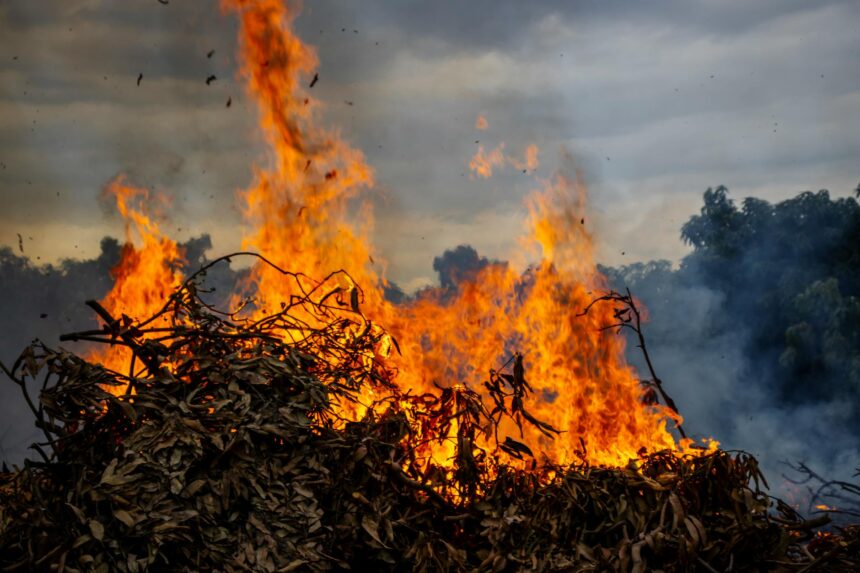
The Royal College of Physicians of Edinburgh has publicly condemned the wood burning stove industry’s lobbying tactics following a comprehensive investigation that revealed systematic efforts to undermine public health messaging about domestic wood burning. The college’s air pollution working group welcomed research published in The BMJ exposing how the industry minimised health evidence when lobbying the Scottish government to retain wood stoves in new homes.
Scotland’s Air Quality Standards vs Wood Burning Impact
PM2.5 pollution levels and regulatory responses across UK regions, 2024
Source: Royal College of Physicians of Edinburgh, 2024 | Georgian Medical Journal News
Industry Documentation Minimised Health Evidence
The Scottish government received documentation from wood burning industry representatives that systematically downplayed health risks when defending wood stoves in new residential construction. According to the Royal College of Physicians of Edinburgh’s analysis, this documentation suggested that burning wood was acceptable because stoves “did not add substantially to the total Scottish air pollution levels.”

This argument contradicts established medical evidence about localised air quality impacts. The World Health Organization has consistently warned that even small increases in particulate matter exposure can have significant health consequences, particularly for vulnerable populations including children and those with respiratory conditions.
The college has been documenting these health impacts for several years, building a robust evidence base that challenges industry claims. Their research shows that so-called “eco stoves” produce hazardous particles of 2.5 micrometres or less (PM2.5) at levels that pose genuine public health risks, contradicting industry assertions about improved technology safety.
Scottish Government Policy Reversal Under Scrutiny
The Royal College of Physicians of Edinburgh previously called on the Scottish government to reconsider its decision to abandon the proposed ban on wood burning stoves in new homes. The college provided what it described as “robust evidence on health harms” to support stronger regulatory action.
The policy reversal came after intensive lobbying from the wood burning industry, raising questions about how health evidence was weighted against industry arguments. The health policy implications extend beyond Scotland, as other regions observe how governments balance environmental health concerns with industry pressure.
Public health experts have noted that the Scottish case illustrates broader challenges in implementing evidence-based environmental health policies. The US Centers for Disease Control and Prevention has documented similar industry resistance to particulate matter regulations across multiple sectors.
PM2.5 Particles Present Ongoing Health Risks
The college’s technical analysis focuses on PM2.5 particles, which penetrate deep into lung tissue and can enter the bloodstream. These particles, measuring 2.5 micrometres or smaller, are produced in significant quantities by domestic wood burning, even by newer “eco-friendly” stove designs.
Recent research published in environmental health journals continues to strengthen the evidence base linking PM2.5 exposure to cardiovascular disease, respiratory illness, and premature mortality. The Royal College emphasises that these health impacts occur regardless of overall regional air quality levels.
The college’s position aligns with growing international concern about domestic wood burning as a source of urban air pollution. Global health authorities are increasingly recognising that residential combustion sources require specific regulatory attention, separate from industrial emission controls.
Medical Community Calls for Evidence-Based Policy
The Royal College of Physicians of Edinburgh’s intervention represents growing medical community engagement with environmental health policy. The college argues that health evidence should take precedence over industry economic arguments when public health risks are clearly documented.
The BMJ investigation that prompted the college’s statement reveals systematic industry efforts to challenge established health science. Similar tactics have been documented across multiple industries, from tobacco to fossil fuels, where commercial interests conflict with public health evidence.
Medical professionals are increasingly calling for policy frameworks that insulate health decision-making from industry influence. The Georgian Medical Journal and similar publications continue to document how commercial lobbying can undermine evidence-based health policy across different regions and health issues.
So-called eco stoves produce hazardous particles of 2.5 micrometres or less (PM2.5), much more so than industry documentation suggests, creating genuine localised health risks regardless of regional pollution levels.
— Royal College of Physicians of Edinburgh Air Pollution Working Group (The BMJ, 2026)
Key takeaways
- Wood burning industry lobbying minimised PM2.5 health risks in documentation provided to Scottish government
- “Eco” wood stoves still produce hazardous 2.5 micrometre particles that penetrate deep into lung tissue
- Royal College of Physicians of Edinburgh calls for evidence-based policy that prioritises health over industry arguments
- Scottish government reversed proposed ban on wood stoves in new homes following industry lobbying campaign
Frequently asked questions
Are newer “eco” wood stoves actually safer for health?
No, according to the Royal College of Physicians of Edinburgh. Even newer stove designs produce significant quantities of PM2.5 particles that pose health risks, contradicting industry claims about improved safety.
Why did the Scottish government change its policy on wood stoves in new homes?
The government dropped the proposed ban after receiving industry documentation that minimised health harms and argued wood stoves didn’t add substantially to Scotland’s overall air pollution levels.
What makes PM2.5 particles particularly dangerous to health?
These particles are 2.5 micrometres or smaller, allowing them to penetrate deep into lung tissue and enter the bloodstream. They’re linked to cardiovascular disease, respiratory illness, and premature mortality even at relatively low exposure levels.
The Royal College of Physicians of Edinburgh’s intervention signals growing medical community determination to challenge industry influence over environmental health policy. As more regions grapple with balancing residential energy choices against public health evidence, the Scottish case may serve as a crucial precedent for how health authorities engage with policy makers when commercial lobbying threatens evidence-based decision making.
Source: Royal College of Physicians of Edinburgh stands against the wood burning lobby
Was this article helpful?
Disclaimer. This article is health journalism intended for general information and education. It is not medical advice and is not a substitute for professional diagnosis or treatment. Always consult a qualified healthcare provider about your individual circumstances. Full disclaimer →
Related Coverage




Editorial standards. This article was produced under the GMJ News editorial process, with oversight by the GMJ Editorial Board. Our editorial process. Spotted an error? Contact the editorial team.