By using this site, you agree to the Privacy Policy and Terms of Use.
Accept
GMJ NewsGMJ NewsGMJ News
  • Latest News
    • GMJ Briefs
  • Podcast & Media
    • Podcast Episodes
    • GMJ Audio
    • GMJ Videos
  • Research Digest
    • New Studies
    • Georgian Research
    • Data & Numbers
  • Policy & Systems
    • Health Policy
    • Quality & Safety
    • Migration & Health
    • Global Health
  • Practice
    • Clinical Updates
    • Case Discussions
    • Pharmacy & Prescribing
    • Ingredients A-Z
  • Perspectives
    • Editorial
    • Explainers
    • Voices
    • Letters
  • GMJ Articles
    • Vol. 1 Issue 2 (2026)
    • Vol. 1 Issue 1 (2026)
    • Pre-Launch Articles (2025)
  • Read the Journal →
  • About GMJ News
Notification Show More
Font ResizerAa
GMJ NewsGMJ News
Font ResizerAa
  • Latest News
    • GMJ Briefs
  • Podcast & Media
    • Podcast Episodes
    • GMJ Audio
    • GMJ Videos
  • Research Digest
    • New Studies
    • Georgian Research
    • Data & Numbers
  • Policy & Systems
    • Health Policy
    • Quality & Safety
    • Migration & Health
    • Global Health
  • Practice
    • Clinical Updates
    • Case Discussions
    • Pharmacy & Prescribing
    • Ingredients A-Z
  • Perspectives
    • Editorial
    • Explainers
    • Voices
    • Letters
  • GMJ Articles
    • Vol. 1 Issue 2 (2026)
    • Vol. 1 Issue 1 (2026)
    • Pre-Launch Articles (2025)
  • Read the Journal →
  • About GMJ News
Follow US
GMJ News > Policy & Systems > Health Policy > Edinburgh Physicians Challenge Wood Burning Industry’s Health Claims After Lobbying Investigation
Health PolicyPolicy & Systems

Edinburgh Physicians Challenge Wood Burning Industry’s Health Claims After Lobbying Investigation

GMJ
Last updated: 20/06/2026 11:06
By
GMJ Policy Desk
Share
7 Min Read
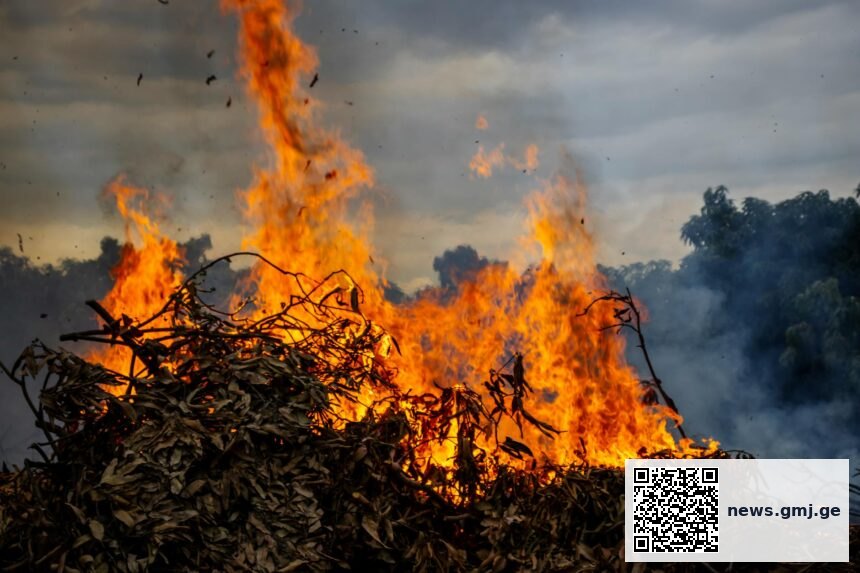
Medical professionals reviewing air quality data and wood stove health impact researchIllustrative image · Photo by Fabricio Vega on Pexels (Pexels License)
Royal College of Physicians of Edinburgh condemns wood burning industry lobbying tactics after BMJ investigation reveals systematic efforts to undermine health evidence. Industry documentation minimised PM2.5 particle risks when lobbying Scottish government to retain wood stoves in new homes. — Photo by Fabricio Vega on Pexels (Pexels License)
SHARE
🎧 Listen to this article6:41 min · 946 words · GMJ Audio
5 min read|946 words

The Royal College of Physicians of Edinburgh has publicly condemned the wood burning stove industry’s lobbying tactics following a comprehensive investigation that revealed systematic efforts to undermine public health messaging about domestic wood burning. The college’s air pollution working group welcomed research published in The BMJ exposing how the industry minimised health evidence when lobbying the Scottish government to retain wood stoves in new homes.

Contents
      • Scotland’s Air Quality Standards vs Wood Burning Impact
  • Industry Documentation Minimised Health Evidence
  • Scottish Government Policy Reversal Under Scrutiny
  • PM2.5 Particles Present Ongoing Health Risks
  • Medical Community Calls for Evidence-Based Policy
    • Key takeaways
  • Frequently asked questions
    • Are newer “eco” wood stoves actually safer for health?
    • Why did the Scottish government change its policy on wood stoves in new homes?
    • What makes PM2.5 particles particularly dangerous to health?
2.5 micrometres
Maximum size of hazardous particles produced by “eco” wood stoves, according to Royal College of Physicians of Edinburgh

Scotland’s Air Quality Standards vs Wood Burning Impact

PM2.5 pollution levels and regulatory responses across UK regions, 2024

Northern England
18 μg/m³
Wales
15 μg/m³
Scotland (urban)
12 μg/m³
Scotland (rural)

9 μg/m³

Source: Royal College of Physicians of Edinburgh, 2024 | Georgian Medical Journal News

Industry Documentation Minimised Health Evidence

The Scottish government received documentation from wood burning industry representatives that systematically downplayed health risks when defending wood stoves in new residential construction. According to the Royal College of Physicians of Edinburgh’s analysis, this documentation suggested that burning wood was acceptable because stoves “did not add substantially to the total Scottish air pollution levels.”

Submit Your Paper
GMJ_Submit_Banner

This argument contradicts established medical evidence about localised air quality impacts. The World Health Organization has consistently warned that even small increases in particulate matter exposure can have significant health consequences, particularly for vulnerable populations including children and those with respiratory conditions.

🎙️ Related Podcast Episodes
🎧 #36 | GMJ Podcast | Artificial Intelligence and Doctor–Patient Communication — Evidence from Georgian Clinics · 18m
🎧 #21 | WHO Issues New Guidance on Novel Snakebite Treatments · 14m
🎧 #13 | Six Years After COVID-19: Is the World Better Prepared for the Next Pandemic? · 19m
🎬 GMJ Video Series | Rare Case: Lung Cancer & Tuberculosis Coexistence
🎧 #50 | GMJ Podcast | Inclusive Health for Refugees and Migrants: WHO Reports Global Progress and Remaining Gaps · 17m

The college has been documenting these health impacts for several years, building a robust evidence base that challenges industry claims. Their research shows that so-called “eco stoves” produce hazardous particles of 2.5 micrometres or less (PM2.5) at levels that pose genuine public health risks, contradicting industry assertions about improved technology safety.

Scottish Government Policy Reversal Under Scrutiny

The Royal College of Physicians of Edinburgh previously called on the Scottish government to reconsider its decision to abandon the proposed ban on wood burning stoves in new homes. The college provided what it described as “robust evidence on health harms” to support stronger regulatory action.

The policy reversal came after intensive lobbying from the wood burning industry, raising questions about how health evidence was weighted against industry arguments. The health policy implications extend beyond Scotland, as other regions observe how governments balance environmental health concerns with industry pressure.

Public health experts have noted that the Scottish case illustrates broader challenges in implementing evidence-based environmental health policies. The US Centers for Disease Control and Prevention has documented similar industry resistance to particulate matter regulations across multiple sectors.

PM2.5 Particles Present Ongoing Health Risks

The college’s technical analysis focuses on PM2.5 particles, which penetrate deep into lung tissue and can enter the bloodstream. These particles, measuring 2.5 micrometres or smaller, are produced in significant quantities by domestic wood burning, even by newer “eco-friendly” stove designs.

Recent research published in environmental health journals continues to strengthen the evidence base linking PM2.5 exposure to cardiovascular disease, respiratory illness, and premature mortality. The Royal College emphasises that these health impacts occur regardless of overall regional air quality levels.

The college’s position aligns with growing international concern about domestic wood burning as a source of urban air pollution. Global health authorities are increasingly recognising that residential combustion sources require specific regulatory attention, separate from industrial emission controls.

Medical Community Calls for Evidence-Based Policy

The Royal College of Physicians of Edinburgh’s intervention represents growing medical community engagement with environmental health policy. The college argues that health evidence should take precedence over industry economic arguments when public health risks are clearly documented.

The BMJ investigation that prompted the college’s statement reveals systematic industry efforts to challenge established health science. Similar tactics have been documented across multiple industries, from tobacco to fossil fuels, where commercial interests conflict with public health evidence.

Medical professionals are increasingly calling for policy frameworks that insulate health decision-making from industry influence. The Georgian Medical Journal and similar publications continue to document how commercial lobbying can undermine evidence-based health policy across different regions and health issues.

So-called eco stoves produce hazardous particles of 2.5 micrometres or less (PM2.5), much more so than industry documentation suggests, creating genuine localised health risks regardless of regional pollution levels.

— Royal College of Physicians of Edinburgh Air Pollution Working Group (The BMJ, 2026)

Key takeaways

  • Wood burning industry lobbying minimised PM2.5 health risks in documentation provided to Scottish government
  • “Eco” wood stoves still produce hazardous 2.5 micrometre particles that penetrate deep into lung tissue
  • Royal College of Physicians of Edinburgh calls for evidence-based policy that prioritises health over industry arguments
  • Scottish government reversed proposed ban on wood stoves in new homes following industry lobbying campaign

Frequently asked questions

Are newer “eco” wood stoves actually safer for health?

No, according to the Royal College of Physicians of Edinburgh. Even newer stove designs produce significant quantities of PM2.5 particles that pose health risks, contradicting industry claims about improved safety.

Why did the Scottish government change its policy on wood stoves in new homes?

The government dropped the proposed ban after receiving industry documentation that minimised health harms and argued wood stoves didn’t add substantially to Scotland’s overall air pollution levels.

What makes PM2.5 particles particularly dangerous to health?

These particles are 2.5 micrometres or smaller, allowing them to penetrate deep into lung tissue and enter the bloodstream. They’re linked to cardiovascular disease, respiratory illness, and premature mortality even at relatively low exposure levels.

The Royal College of Physicians of Edinburgh’s intervention signals growing medical community determination to challenge industry influence over environmental health policy. As more regions grapple with balancing residential energy choices against public health evidence, the Scottish case may serve as a crucial precedent for how health authorities engage with policy makers when commercial lobbying threatens evidence-based decision making.

Source: Royal College of Physicians of Edinburgh stands against the wood burning lobby

Was this article helpful?

Disclaimer. This article is health journalism intended for general information and education. It is not medical advice and is not a substitute for professional diagnosis or treatment. Always consult a qualified healthcare provider about your individual circumstances. Full disclaimer →

Related Coverage
Major sporting events tied to heart attack spikes, study showsAug 7, 2026
Medicaid Work Requirements Create Impossible Dilemma for Disabled Workers, Experts WarnAug 7, 2026
Australian Hospital Deploys World-First Robotic Surgery Technology for Complex ProceduresAug 7, 2026
Celebrity Disclosure Renews Focus on Prostate Cancer Screening and Early DetectionAug 7, 2026
Explore more on this topic:🧭 Cardiovascular Disease hub
🔥 Most read this week
1Creatine Kidney Damage Myth Debunked by Major Safety Review of 26,000 Participants
2Why High-Dose Vitamin B12 Supplements Work Despite Poor Absorption
3Magnesium Form May Not Matter for Cognitive Benefits, New Meta-Analysis Suggests
4Spinal Cord Stimulation Shows Promise for Stroke Recovery in Small Trial
Related reference
  • Iron · Ingredient
PG
Editorial oversight
Prof. Giorgi Pkhakadze, MD, MPH, PhD
Editor-in-Chief, GMJ News
Full profile →  ·  ORCID 0000-0001-7609-4515
Medical disclaimer. This article is health journalism intended for general information. It is not medical advice and is not a substitute for consultation with a qualified healthcare professional. Always seek your physician's advice regarding any medical condition.
Editorial standards. This article was produced under the GMJ News editorial process, with oversight by the GMJ Editorial Board. Our editorial process. Spotted an error? Contact the editorial team.

Get the GMJ News digest
Evidence-based health journalism in your inbox. No spam; unsubscribe anytime.
📬 GMJ Health Digest
Evidence-based medical news, once a week. Free, no spam, unsubscribe anytime.
TAGGED:air pollutionhealth policyindustry lobbyingPM2.5 particleswood burning
Share This Article
Facebook LinkedIn Bluesky Copy Link Print
GMJ
ByGMJ Policy Desk
Follow:
GMJ Policy Desk is part of GMJ News, the newsroom of the Georgian Medical Journal (gmj.ge), published by the Public Health Institute of Georgia. Every article is editorially reviewed before publication.
Leave a Comment Leave a Comment

Leave a Reply Cancel reply

Your email address will not be published. Required fields are marked *

Submit Your Paper →

Georgia's peer-reviewed open-access medical journal. No APC until January 2027.
Submit Manuscript →
Major sporting events tied to heart attack spikes, study shows

Major international football tournaments are associated with measurable increases in acute coronary…

Medicaid Work Requirements Create Impossible Dilemma for Disabled Workers, Experts Warn

New Medicaid work requirement rules force disabled workers into an impossible choice:…

Genicular Artery Embolisation Offers Alternative to Knee Replacement for Chronic Pain

Genicular artery embolisation (GAE), a minimally invasive catheter-based procedure, is emerging as…

Submit Your Paper to GMJ

No APC until January 2027.
Submit Manuscript →

You Might Also Like

NHS England building exterior representing medical workforce policyIllustrative image · Photo by Yusuf Çelik on Pexels (Pexels License)
Clinical UpdatesHealth PolicyPolicy & SystemsPractice

NHS Medical Training Act boosts UK doctor recruitment, data shows

By
GMJ Practice Desk
04/08/2026
Medical practice closure statistics showing rural hospital and clinic impacts on healthcare accessIllustrative image · American and Chadian military emergency departments work together during medical exercise (8495148).jpg by U.S. Army photo by Maj. Edward McBride / Public domain via Wikimedia Commons (Public domain)
Health PolicyPolicy & Systems

Medical Professionals Face Involuntary Practice Closure: NEJM Analysis Reveals Growing Healthcare Access Crisis

By
GMJ Policy Desk
18/06/2026
Map showing Ebola transmission zones in DRC and Uganda with outbreak alert indicators
Health Policy

Ebola outbreak in DRC and Uganda: what we know in May 2026

By
GMJ Policy Desk
20/05/2026
Healthcare compliance and pharmaceutical pricing transparency concept illustrationIllustrative image · Photo by www.kaboompics.com on Pexels (Pexels License)
Pharmacy & PrescribingPolicy & SystemsPracticeQuality & Safety

Eli Lilly cuts 340B drug discounts to hospitals failing to report claims data

By
GMJ Practice Desk
12/07/2026
Facebook Twitter Youtube Instagram
Company
  • Privacy Policy
  • Contact US
  • GMJ Journal
  • Submit Manuscript
  • Editorial Team
  • Register at GMJ
  • Terms of Use

Subscribe to GMJ News — Click here

Join Community
© 2026 Georgian Medical Journal (GMJ). Published by the Public Health Institute of Georgia (PHIG). All rights reserved.
Welcome Back!

Sign in to your account

Username or Email Address
Password

Lost your password?

Not a member? Sign Up