


Home › Topics › GLP-1 Agonists
GLP-1 Agonists
GMJ News knowledge hub · last reviewed August 2026 · Georgian Medical Journal
SummaryStatisticsGlossaryGMJ newsFAQDocumentsOrganizationsResearch
GLP-1 receptor agonists — semaglutide (Ozempic for type 2 diabetes; Wegovy for obesity) and tirzepatide (Mounjaro for T2DM; Zepbound for obesity, a dual GLP-1 plus GIP agonist) — represent the most transformative drug class in medicine since the statins, achieving 15-22% body weight loss in clinical trials (STEP and SURMOUNT programmes), with the 2023 SELECT trial demonstrating that semaglutide reduces major adverse cardiovascular events by 20% in obese adults with established CVD — the first weight-loss drug ever to demonstrate cardiovascular mortality benefit and forcing a complete reconceptualisation of obesity as a treatable cardiometabolic disease rather than a lifestyle choice (WHO). The 2024 FLOW trial (NEJM) further demonstrated semaglutide reduces the composite kidney outcome by 24% in diabetic CKD — and emerging data suggest GLP-1 receptors in the brain’s reward centres (VTA, nucleus accumbens) may also reduce cravings for alcohol, nicotine and opioids, hinting at far broader therapeutic potential than weight loss alone.
Key messages
Semaglutide — 15-17% weight loss, and CVD mortality benefit (SELECT 2023)
Semaglutide 2.4mg weekly (Wegovy) achieved 15-17% mean body weight loss in the STEP phase 3 trials over 68 weeks. The 2023 SELECT trial (NEJM, 17,604 participants) demonstrated 20% reduction in MACE in overweight/obese adults with established CVD — the first weight-loss drug to reduce cardiovascular mortality. This repositioned GLP-1 RAs as cardiovascular drugs as much as weight-loss drugs.
Tirzepatide — 20-22% weight loss — the new ceiling
Tirzepatide (Mounjaro/Zepbound, Eli Lilly) is a dual agonist at GLP-1 and GIP (glucose-dependent insulinotropic peptide) receptors. SURMOUNT-1 trial: 20% mean weight loss at 72 weeks (highest dose). SURMOUNT-4: 22% weight loss with continued treatment. This surpasses semaglutide and approaches bariatric surgery outcomes (~25-30%) pharmacologically — a paradigm shift.
Kidney protection — FLOW trial 2024 (NEJM)
FLOW trial (2024, NEJM) — semaglutide vs placebo in patients with T2DM and CKD: 24% reduction in the composite primary endpoint (sustained ≥50% eGFR decline, ESKD, death from kidney or CVD causes). Trial stopped early for overwhelming efficacy. GLP-1 RAs now join SGLT-2 inhibitors as the two drug classes with proven kidney-protective effects in diabetic CKD — beyond glucose control.
Mechanism — appetite, satiety, and the reward system
GLP-1 receptors are expressed in: pancreatic beta cells (increased insulin secretion, glucose-dependent); alpha cells (reduced glucagon); stomach (delayed gastric emptying — slows digestion, prolongs satiety); hypothalamus (appetite suppression, satiety signalling); VTA and nucleus accumbens (dopamine reward circuits — reduces food reward and cravings). The brain reward effect explains emerging evidence that GLP-1 RAs reduce cravings for alcohol, tobacco, opioids and gambling — potentially far broader than weight loss.
GLP-1 agonists and addiction — the emerging signal
Multiple observational studies and a 2024 Nature Medicine paper reported that GLP-1 RA users have significantly lower rates of: alcohol use disorder; smoking relapse; opioid overdose; cannabis use. Several clinical trials are now actively investigating semaglutide for alcohol use disorder, nicotine dependence and opioid use disorder. The mechanism: GLP-1 receptors in the mesolimbic dopamine reward pathway reduce incentive salience (the reward value) of addictive substances — a fundamentally new pharmacological principle.
Ethical and equity concerns
Cost: Wegovy approximately $1,300/month in the USA without insurance (approximately £200/month in UK on NHS for selected patients). Global demand has created chronic supply shortages, leaving T2DM patients unable to access Ozempic for their primary indication. The concept of pharmacological weight loss raises profound questions about medicalisation of body weight, body autonomy, weight stigma and who deserves treatment. The drugs are dramatically more effective than lifestyle intervention — but lifestyle intervention must not be abandoned.
Key statistics
Addiction
emerging evidence GLP-1 RAs reduce alcohol, tobacco and opioid cravings
Nature Medicine 2024GLP-1 agonist weight loss — comparison across drug classes and trials (%)
Source: STEP/SURMOUNT trials. GLP-1 RAs now approach bariatric surgery outcomes pharmacologically.
Glossary of key terms
Latest GMJ coverage

U.S. Healthcare Spending Surged 7.3% in 2025, Driven by GLP-1 Adoption and Increased Care Utilization
09/08/2026
GLP-1 Drugs Linked to Lower Violent Behaviour in Rutgers Study
11/07/2026
Oral GLP-1 medication shows major promise for type 2 diabetes: weight loss and blood sugar control in pivotal trial
11/07/2026

Beyond GLP-1 drugs: Why obesity care requires more than medication
09/07/2026
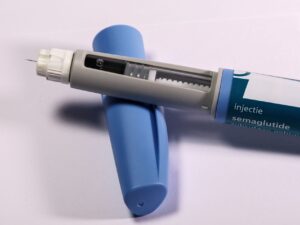
Most People Who Stop GLP-1 Drugs Like Ozempic Eventually Return to Treatment
09/07/2026

UK Approves First Oral GLP-1 Pill for Weight Loss as Wegovy Tablet Gets MHRA Clearance
28/06/2026
Frequently asked questions 12 Q&A — structured for Google featured snippets and AI discovery
Knowledge hub: guidelines, conventions and reports
Organizations working in migration and health
Related health topics
ObesityType 2 diabetesCardiovascular disease (SELECT trial)CKD (FLOW trial)NAFLD (GLP-1 benefit)Addiction (emerging GLP-1 data)
About this hub. Produced by the GMJ News Editorial Team as a public-good service. Every statistic is linked to its primary source. Documents are preserved in the GMJ Repository with full attribution. Georgian Medical Journal · Contact the editorial team