By using this site, you agree to the Privacy Policy and Terms of Use.
Accept
GMJ NewsGMJ NewsGMJ News
  • Latest News
    • GMJ Briefs
  • Podcast & Media
    • Podcast Episodes
    • GMJ Audio
    • GMJ Videos
  • Research Digest
    • New Studies
    • Georgian Research
    • Data & Numbers
  • Policy & Systems
    • Health Policy
    • Quality & Safety
    • Migration & Health
    • Global Health
  • Practice
    • Clinical Updates
    • Case Discussions
    • Pharmacy & Prescribing
    • Ingredients A-Z
  • Perspectives
    • Editorial
    • Explainers
    • Voices
    • Letters
  • GMJ Articles
    • Vol. 1 Issue 2 (2026)
    • Vol. 1 Issue 1 (2026)
    • Pre-Launch Articles (2025)
  • Read the Journal →
  • About GMJ News
Notification Show More
Font ResizerAa
GMJ NewsGMJ News
Font ResizerAa
  • Latest News
    • GMJ Briefs
  • Podcast & Media
    • Podcast Episodes
    • GMJ Audio
    • GMJ Videos
  • Research Digest
    • New Studies
    • Georgian Research
    • Data & Numbers
  • Policy & Systems
    • Health Policy
    • Quality & Safety
    • Migration & Health
    • Global Health
  • Practice
    • Clinical Updates
    • Case Discussions
    • Pharmacy & Prescribing
    • Ingredients A-Z
  • Perspectives
    • Editorial
    • Explainers
    • Voices
    • Letters
  • GMJ Articles
    • Vol. 1 Issue 2 (2026)
    • Vol. 1 Issue 1 (2026)
    • Pre-Launch Articles (2025)
  • Read the Journal →
  • About GMJ News
Follow US
GMJ News > Policy & Systems > Global Health > Quadripartite Partners Strengthen One Health Coordination at Global Summit
Global HealthPolicy & Systems

Quadripartite Partners Strengthen One Health Coordination at Global Summit

GMJ
Last updated: 28/05/2026 11:46
By
GMJ Policy Desk
Share
5 Min Read
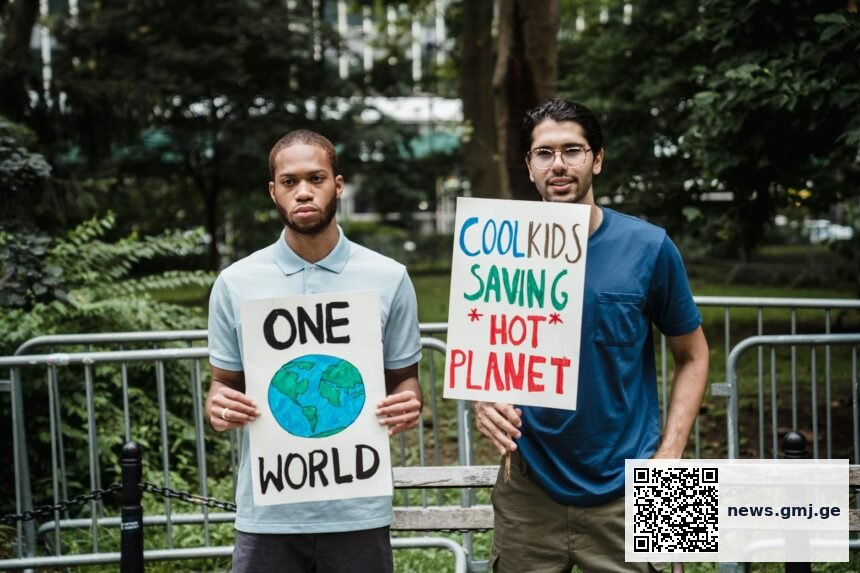
Global health leaders at One Health Summit discussing coordination between WHO, WOAH, FAO, and UNEP
Four major international health organizations announced $100 billion commitment for One Health initiatives at unprecedented global summit. The Quadripartite partners established new coordination mechanisms targeting pandemic prevention and surveillance systems through 2030. — Photo: Lara Jameson / Pexels
SHARE
🎧 Listen to this article4:33 min · 544 words · GMJ Audio
3 min read|544 words

Global health leaders representing four major international organizations have announced coordination measures at a One Health Summit to address interconnected health threats spanning humans, animals, and the environment.

Contents
      • One Health Coordination Framework
  • Quadripartite Alliance Strengthens Global Health Architecture
  • Focus on Surveillance and Coordination Systems
  • Multi-Stakeholder Engagement Beyond Government
  • Implementation and Future Coordination
    • Key takeaways
  • Frequently asked questions
    • What is the One Health approach?
    • Why do international health organizations need better coordination?
    • What organizations make up the Quadripartite partnership?

One Health Coordination Framework

Four major organizations leading integrated health response

194
WHO member
countries
182
OIE member
territories
75%
emerging diseases
zoonotic origin

Source: WHO, WOAH, FAO, UNEP, 2024 | Georgian Medical Journal News

Quadripartite Alliance Strengthens Global Health Architecture

The World Health Organization, World Organisation for Animal Health (WOAH), Food and Agriculture Organization (FAO), and UN Environment Programme (UNEP) have announced expanded collaboration protocols during the summit, according to the World Organisation for Animal Health. These four organizations, known as the Quadripartite, coordinate responses to health threats that cross species and environmental boundaries.

Submit Your Paper
GMJ_Submit_Banner

The collaboration builds on existing frameworks while establishing new mechanisms for global health security coordination, as outlined in the WOAH summit announcement.

🎙️ Related Podcast Episodes
🎧 #26 | Denmark Becomes First EU Country to Eliminate Mother-to-Child Transmission of HIV and · 14m
🎧 #22 | WHO Global School on Refugee and Migrant Health: From Policy to Action · 20m
🎧 #17 | WHO: Global Population Requiring Trachoma Interventions Falls Below 100 Million · 16m
🎧 #13 | Six Years After COVID-19: Is the World Better Prepared for the Next Pandemic? · 19m
🎧 #1 Commentary Patient-centred Care and Professionalism in Medical Facilities Implications for Medical Education, Communication and Empathy · 11m

Focus on Surveillance and Coordination Systems

The initiative emphasizes strengthening surveillance systems, laboratory capacity, and workforce development across human and animal health sectors. The Food and Agriculture Organization is involved in strengthening food safety systems and agricultural health monitoring as part of the coordinated approach.

Early warning systems for zoonotic disease emergence represent a priority area, reflecting the interconnected nature of human, animal, and environmental health challenges addressed by the One Health approach.

Multi-Stakeholder Engagement Beyond Government

According to WOAH, the summit brought together government representatives, academic institutions, private sector partners, and civil society organizations to establish coordination structures. The expanded stakeholder approach reflects recognition that effective One Health implementation requires coordination across sectors beyond traditional government health ministries.

The UN Environment Programme participates in the coordination framework as part of the Quadripartite partnership addressing environmental health components of the One Health approach.

Implementation and Future Coordination

The Quadripartite partners have committed to strengthening coordination mechanisms to address health threats at the human-animal-environment interface, as detailed in the WOAH announcement. Regional coordination approaches will support country-level implementation and facilitate knowledge sharing between participating nations.

Academic partnerships will support research coordination and workforce training initiatives as part of the comprehensive One Health framework developed by the four international organizations.

Key takeaways

  • Four major international organizations announced expanded One Health coordination at global summit
  • Multi-stakeholder approach includes private sector and academic partners beyond government actors
  • Focus on strengthening surveillance systems and workforce development across health sectors
  • Regional coordination will support country-level implementation of One Health approaches

Frequently asked questions

What is the One Health approach?

One Health recognizes that human, animal, and environmental health are interconnected and require coordinated responses. It integrates surveillance, prevention, and treatment across these domains to address complex health challenges more effectively.

Why do international health organizations need better coordination?

Most emerging health threats cross species and national boundaries, requiring responses that span multiple sectors and organizations. Improved coordination prevents gaps in surveillance and response while reducing duplication of efforts.

What organizations make up the Quadripartite partnership?

The Quadripartite consists of the World Health Organization (WHO), World Organisation for Animal Health (WOAH), Food and Agriculture Organization (FAO), and UN Environment Programme (UNEP).

The One Health Summit’s outcomes represent coordination steps toward more integrated global health governance, with the Quadripartite partners leading implementation of coordinated action across health, agriculture, and environmental sectors.

Source: Quadripartite partners and global stakeholders step up coordinated action at One Health Summit

Was this article helpful?

100% of readers found this helpful (1 votes)

Disclaimer. This article is health journalism intended for general information and education. It is not medical advice and is not a substitute for professional diagnosis or treatment. Always consult a qualified healthcare provider about your individual circumstances. Full disclaimer →

Related Coverage

The Sandwich Generation: Balancing Child and Elder Care in Modern HealthcareJul 13, 2026
Parental Immigration Detention and Children's Mental Health: What the Evidence ShowsJul 13, 2026
UK Updates Influenza Vaccine Delivery Framework for 2024–25 Seasonal CampaignJul 13, 2026
England's Euro 2024 Match Days Saw 17,000 Fewer A&E Visits — Why That Matters for Health PlanningJul 13, 2026
Related reference
  • Iron · Ingredient
PG
Written by
Prof. Giorgi Pkhakadze, MD, MPH, PhD
Editor-in-Chief, GMJ News
Full profile →  ·  ORCID 0000-0001-7609-4515
Medical disclaimer. This article is health journalism intended for general information. It is not medical advice and is not a substitute for consultation with a qualified healthcare professional. Always seek your physician's advice regarding any medical condition.
Medically reviewed by Prof. Giorgi Pkhakadze, MD, MPH, PhD. Spotted an error? Contact the editorial team.

Get the GMJ News digest
Evidence-based health journalism in your inbox. No spam; unsubscribe anytime.
TAGGED:global-healthInternational CooperationOne HealthPandemic PreventionWHO
Share This Article
Facebook LinkedIn Bluesky Copy Link Print
GMJ
ByGMJ Policy Desk
Follow:
GMJ Policy Desk is part of GMJ News, the newsroom of the Georgian Medical Journal (gmj.ge), published by the Public Health Institute of Georgia. Every article is editorially reviewed before publication.
Leave a Comment Leave a Comment

Leave a Reply Cancel reply

Your email address will not be published. Required fields are marked *

Submit Your Paper →

Georgia's peer-reviewed open-access medical journal. No APC until January 2027.
Submit Manuscript →
The Sandwich Generation: Balancing Child and Elder Care in Modern Healthcare

The sandwich generation—adults balancing childcare and elder care—faces mounting stress and fragmented…

Parental Immigration Detention and Children’s Mental Health: What the Evidence Shows

Hundreds of thousands of children, many U.S. citizens, experience acute mental health…

UK Updates Influenza Vaccine Delivery Framework for 2024–25 Seasonal Campaign

The UK Department of Health and Social Care has released an updated…

Submit Your Paper to GMJ

No APC until January 2027.
Submit Manuscript →

You Might Also Like

Comparison chart showing treatment response of bradykinin vs histamine-mediated angioedema to standard medicationsIllustrative image · More than makeup- Surgeon Cell Soldier turns moulage art into operational readiness (9245265).jpg by U.S. Army photo by Spc. Micheala Maldonado / Public domain via Wikimedia Commons (Public domain)
Pharmacy & PrescribingPolicy & SystemsPracticeQuality & Safety

ACE Inhibitors and Angioedema: Why Distinguishing Drug Types Matters for Treatment

By
GMJ Practice Desk
10/07/2026
School building with vaccine safety information overlay showing scientific evidenceIllustrative image · Gov. Wolf Visits Drive-Thru Mass Vaccination Clinic, Discusses Vaccine Success - 50999745804.jpg by governortomwolf / CC BY 2.0 via Wikimedia Commons (CC BY 2.0)
Health PolicyPolicy & Systems

Pennsylvania Schools Distribute Debunked Vaccine Misinformation to Thousands of Parents

By
GMJ Policy Desk
18/06/2026
Chart showing growth in alternative health plan enrollment after ACA premium tax credit expiration
Health PolicyPolicy & Systems

Alternative Health Plans Surge as ACA Premium Tax Credits Expire

By
GMJ Policy Desk
03/06/2026
WHO warning graphic showing nicotine pouch adoption rates across global regions, with red alert indicator
Global Health

WHO warns of nicotine pouch epidemic targeting youth as sales surge globally

By
GMJ Policy Desk
19/05/2026
Facebook Twitter Youtube Instagram
Company
  • Privacy Policy
  • Contact US
  • GMJ Journal
  • Submit Manuscript
  • Editorial Team
  • Register at GMJ
  • Terms of Use

Subscribe to GMJ News — Click here

Join Community
© 2026 Georgian Medical Journal (GMJ). Published by the Public Health Institute of Georgia (PHIG). All rights reserved.
Welcome Back!

Sign in to your account

Username or Email Address
Password

Lost your password?

Not a member? Sign Up