🟠 Moderate Evidence
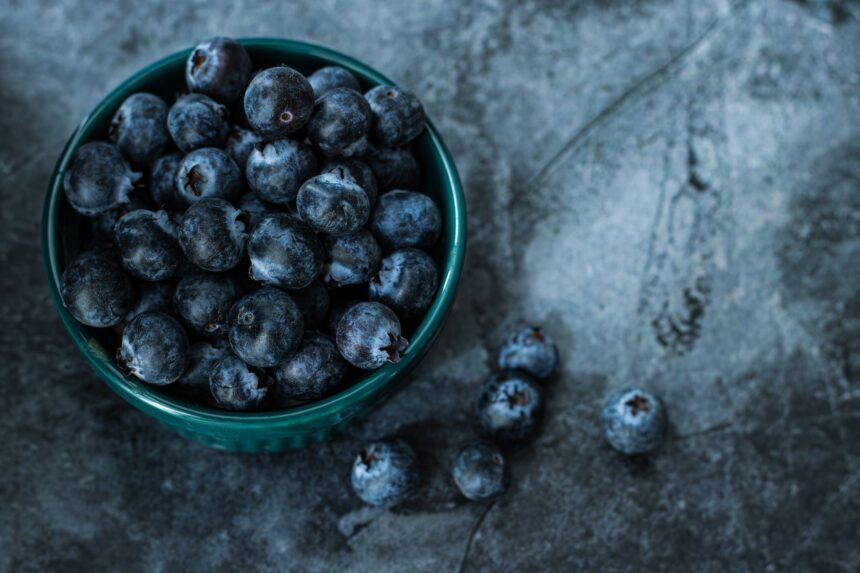
Blueberries deliver measurable improvements in cardiovascular function, cognitive performance, and metabolic markers across multiple clinical trials, according to peer-reviewed research. A 150-gram daily portion—roughly one cup—has demonstrated a 15% reduction in cardiovascular disease risk in older adults with metabolic syndrome and a 27% reduction in oxidized LDL cholesterol levels in controlled trials.
Key takeaways
- A 150g daily portion of blueberries reduced cardiovascular disease risk by 15% in a 6-month trial of older adults with metabolic syndrome
- Daily consumption lowered oxidized LDL cholesterol by 27% and systolic blood pressure by 4–6% over 8 weeks in separate clinical trials
- Blueberry anthocyanins and flavonoids activate hippocampal signaling proteins, improving learning and memory performance in older adults
- One cup supplies approximately 25% of daily vitamin C and vitamin K1 requirements, plus manganese and copper
Evidence at a Glance
| Study types | Randomised controlled trials, observational cohort studies |
| Populations studied | Healthy young adults (mean age 28.5 years), older adults with metabolic syndrome, elderly populations |
| Primary interventions | 150–200g daily blueberry consumption (fresh or juice) over 2–24 weeks |
| Key endpoints | Cardiovascular risk markers, oxidative stress, cognitive function, blood pressure, insulin sensitivity |
Blueberry consumption reduces key cardiovascular and metabolic risk markers
Percentage change in risk factors from randomised controlled trials | 8–24 weeks follow-up
Source: PubMed Central, randomised controlled trials (2008–2013) | Georgian Medical Journal News

Cardiovascular and cholesterol benefits dominate the evidence base
The strongest clinical evidence for blueberries centres on lipid and cardiovascular outcomes. A randomised trial published in Nutrition, Metabolism and Cardiovascular Diseases found that 50 grams of blueberries consumed daily reduced oxidized LDL—a marker of cardiovascular oxidative stress—by 27% over the study period. In a separate 6-month trial of older adults with metabolic syndrome, a 150-gram daily portion reduced overall cardiovascular disease risk by 15%, suggesting sustained protective effects in higher-risk populations.
Blood pressure improvements, though more modest, were consistent across studies. Daily blueberry consumption lowered systolic blood pressure by 4–6% over 8 weeks, according to data published in the same trial, indicating potential benefits for hypertension management when combined with standard therapies.
Cognitive function and antioxidant mechanisms
Blueberries contain anthocyanins and flavonoid compounds that cross the blood-brain barrier and activate signaling proteins in the hippocampus, the brain region central to learning and memory consolidation. In a clinical trial of older adults, consumption of blueberry juice for 2 months led to measurable improvements in standardised learning and memory tests, according to research indexed in PubMed Central.
At the cellular level, one trial demonstrated a 20% reduction in free radical activity in healthy young adults (mean age 28.5 years) following blueberry consumption, suggesting direct antioxidant action. This reduction in oxidative stress may underpin both cognitive and cardiovascular benefits, as free radicals damage DNA and contribute to atherosclerosis and neurodegeneration.
See our article on evidence-based nutrition explainers for more detail on how flavonoids support brain ageing.
Nutrient density and metabolic markers
A 150-gram portion of fresh blueberries supplies approximately 25% of the recommended daily intake of vitamin C and vitamin K1, plus significant amounts of manganese and copper—micronutrients essential for immune function, bone mineralisation, and antioxidant enzyme activity. This nutrient density, combined with high fibre content, supports gut microbiome diversity and stability.
Anthocyanins in blueberries improve insulin sensitivity by enhancing glucose transporter expression, research suggests. Several mechanisms contribute to blood glucose regulation: anthocyanins may inhibit certain digestive enzymes that break down carbohydrates, slowing glucose absorption and reducing postprandial (after-meal) blood sugar spikes. This finding is particularly relevant for individuals with type 2 diabetes or metabolic syndrome, though larger long-term trials are needed to establish clinical thresholds for therapeutic benefit.
A 150g daily portion of blueberries reduced cardiovascular disease risk by 15% in older adults with metabolic syndrome over 6 months, according to a randomised controlled trial published in peer-reviewed literature.
— Research indexed in PubMed Central, (2012)
What this means
Frequently asked questions
How much do you need to eat daily to see health benefits?
Clinical trials demonstrating cardiovascular and cognitive benefits used 150–200 grams (approximately one to one-and-a-half cups) of fresh blueberries per day. Smaller portions (50 grams) showed cholesterol-lowering effects. Benefits accumulated over 2–6 months of consistent consumption.
Are frozen or dried blueberries as effective as fresh?
Anthocyanin content is similar in frozen and fresh blueberries, as freezing does not substantially degrade these compounds. Dried blueberries are more concentrated but contain added sugars in commercial products; unsweetened frozen berries offer the best nutrient-to-calorie ratio. Blueberry juice concentrates show efficacy in trials but lack the fibre of whole berries.
Do blueberries interact with blood pressure or cholesterol medications?
No major drug–blueberry interactions are documented in current evidence. However, high-dose anthocyanin supplements (not whole berries) may theoretically interact with warfarin or antiplatelet drugs due to mild anticoagulant properties. Patients on these medications should mention blueberry consumption to their clinician, though dietary amounts are considered safe.
As access to fresh produce remains unequal across regions, future public health initiatives should focus on promoting affordable, locally-grown berry varieties and addressing seasonal availability constraints. Research into optimal dosing, duration, and individual genetic factors affecting anthocyanin metabolism will refine recommendations for high-risk populations in coming years. For now, blueberries represent an evidence-supported, nutrient-dense food that merits inclusion in preventive nutrition guidelines.
Source: Peer-reviewed clinical trial evidence indexed in PubMed Central (2008–2013)
Was this article helpful?
Disclaimer. This article is health journalism intended for general information and education. It is not medical advice and is not a substitute for professional diagnosis or treatment. Always consult a qualified healthcare provider about your individual circumstances. Full disclaimer →
Related Coverage




Medically reviewed by Prof. Giorgi Pkhakadze, MD, MPH, PhD. Spotted an error? Contact the editorial team.